



How to Sell Your House in Tucson: A Step-by-Step Guide for Homeowners
Aug 20, 2026By Derrick Polder • NMLS #207630 • Published: August 20, 2026 • Updated: August 31, 2026
Read article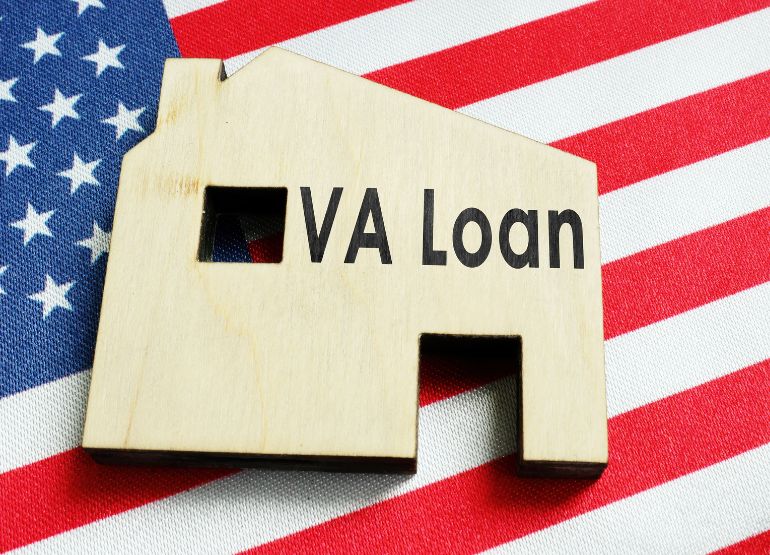
Empowering Military Heroes: Your Guide to VA Loans in 2024
Since 1944, the U.S. Department of Veterans Affairs (VA) has helped millions of Veterans, Active-Duty Service Members, and eligible surviving spouses achieve homeownership through the VA home loan program. Today, VA loans remain one of the most powerful mortgage options available, offering flexible qualification requirements, competitive interest rates, and the opportunity to purchase a home with little to no money down.
VA loans are offered by private mortgage lenders – mainly banks, credit unions, and other providers. The VA underwrites and administers the loans, which vouches for at least a portion of the loan principal.
Lenders can adapt loans to optimize terms for all parties. Any member of the armed forces — full-time members, National Guard, or Reserves — can apply for a VA mortgage (unless they were dishonorably discharged).

Around 90% of homes purchased through VA loans required no down payment. Lenders set credit requirements and might add conditions to offset credit risk.
Some of the advantages of a VA loan, in addition to the down payment, include:
In figuring closing costs, lenders are restricted to the amount they can reasonably charge. Borrowers have some latitude in paying those costs, whether through themselves, the lenders, or others.
To obtain a VA loan, Service Members and Veterans need to meet some minimum qualifications.
The minimum service requirements for a VA loan depend on your status and time served. Active-Duty Service Members and Veterans must meet one of the following conditions:
Spouses of Military Members who died in the line of duty or suffered a major disability during their service also qualify for the loan.
The COE confirms your length of service and character of service, along with the entitlement amount. Entitlement is the amount you have available for a guarantee on a loan. You must also meet credit income and standards to qualify for a VA-guaranteed loan.
Normally, the lender can pull up this document with your Social Security number and date of birth. You do not need to provide a COE before submitting your loan application.
Veterans shopping for lenders can request a COE ahead of time to show potential home loan providers. Doing so may speed up the loan application process once they choose a lender.
Lenders — not the VA — set minimum credit requirements. For the most part, lenders require a FICO score of at least 620 to move forward with a loan. If you’re considering a more expensive property, a higher score may be beneficial.
In some cases, lenders may accept lower credit scores. If they do, they may impose certain conditions to mitigate the additional financial risk.
The VA does not have a mandatory minimum income for lending. Lenders will determine your debt-to-income (DTI) ratio. The lower this ratio, the better your chances are for securing favorable terms. Those with debt-to-income ratios of 41% or higher may require higher scrutiny during the lending process.
VA requires residual income. This is the amount of discretionary income remaining (after the deduction of debts, other obligations, and monthly housing obligations) to cover family expenses. The amount required is based on the loan size, the geographic location of the subject property, and your family size.
Get real-time feedback on your debt-to-income ratio using this DTI calculator.
The VA doesn’t impose restrictions on the type of home you buy as long as it’s a single-family residence that will serve as your primary address. However, the VA has established Minimum Property Requirements (MPRs) to protect your interests along with the lenders, servicers, and VA. All properties must meet these MPRs. Even though an inspection isn’t mandatory, it’s a very good idea to get one. An inspection will reveal conditions and issues that may need resolution before you buy.
The one requirement for securing a VA loan is that you and your family use it as your main place of residence. Second homes and one-unit investment properties are ineligible to be purchased with a VA loan. You may purchase a multi-unit property as long as you occupy one of the units as your primary residence.
There are specific occupancy requirements for the applicable refinance type as noted below.
The VA may require a one-time fee (Funding Fee) to cover its operational expenses. The funding fee can be remitted in cash at closing, financed into the loan amount, or paid by the lender or seller as part of the agreement.
The funding fee is determined by several factors and can range from 0.5% (certain refinances) to 3.3%. The fee is determined by the transaction type, amount of down payment on a purchase (if applicable), type of refinance, and whether you have had a VA loan in the past. Some Veterans who meet certain requirements are exempt from the VA funding fee.
VA loans are highly adaptable. They can be structured to address unique challenges or conditions that may emerge in inspection. Also, they can help the borrower meet certain financial needs. Here are the most significant types.
A VA purchase loan can be used to purchase new or existing homes. At its simplest, it secures homeownership with basic conditions and requirements. You must meet both VA eligibility and lender requirements and live in the property as your primary residence.
Some key aspects of basic VA purchase loans include:
A VA Interest Rate Reduction Refinance Loan (IRRRL) is used to refinance a current loan to obtain lower interest rates and monthly repayments. You must have an existing VA loan and make a minimum of six months of mortgage payments before you are eligible for a VA IRRRL. The original entitlement used is not required to be restored.
You must certify that you currently or previously occupied this property as your primary residence.
The cash-out refinance loan fully replaces a current loan under different terms and you must certify that you currently occupy the property as your primary residence. It’s for cashing out some of your home equity or converting a non-VA loan to a VA-backed loan.
A basic VA purchase loan only counts toward the selling price of the house. If the property needs renovations, you’d have to take out a separate fix-up loan.
A VA renovation loan consolidates those loans into one, covering both the purchase price and renovation costs. It aggregates the separate loans and simplifies the closing process.
A VA one-time close loan is for building a new home on vacant land. If you own the land, you can roll its equity into a new one-time close loan. If you have liens attached to the property, you can “pay off” the liens by rolling them into the newly issued loan.
VA one-time close loans have more requirements than a loan for an existing home due to the documentation requirements related to the construction of the property.
Are you ready to get the VA loan process started? Here are the basic steps:
You may need to include two years of employment history and a minimum residual monthly income.
Ready to learn more? Get in touch to get on the path to homeownership with a VA Loan.
With VA loans, Military Service Members and Veterans can benefit from different requirements and types of loans than civilians. This can provide them with a clearer path toward the homeownership they’ve earned for serving our country.
This article is for educational purposes only and does not constitute financial or mortgage advice. Loan programs, rates, and guidelines may change at any time. All loans are subject to credit approval and underwriting. For guidance tailored to your situation, consult a licensed mortgage professional.
By Derrick Polder • NMLS #207630 • Published: August 20, 2026 • Updated: August 31, 2026
Read article
By Derrick Polder • NMLS #207630 • Published: August 3, 2026 • Updated: August 31, 2026
Read article
By Derrick Polder • NMLS #207630 • Published: July 13, 2026 • Updated: July 22, 2026
Read article
By Derrick Polder • NMLS #207630 • Published: July 13, 2026 • Updated: July 22, 2026
Read article






Different levels of commitment - all start with a conversation.

A quick first step to review loan options and next steps with a local expert.
Ready to move forward now? Secure application - Credit review required
Not ready for a form? Ask a question and a local expert will follow up.