



How to Sell Your House in Tucson: A Step-by-Step Guide for Homeowners
Aug 20, 2026By Derrick Polder • NMLS #207630 • Published: August 20, 2026 • Updated: August 31, 2026
Read article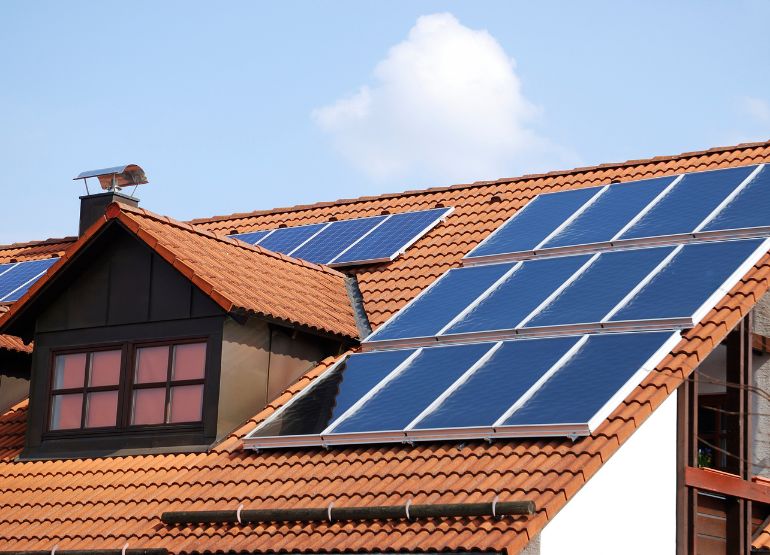
Illuminating the Path to Your Bright Solar Homeownership
As solar energy becomes increasingly popular throughout Tucson and Southern Arizona, more homebuyers are encountering properties equipped with solar panel systems. While solar-powered homes can offer energy savings and environmental benefits, it's important to understand how solar ownership, financing, and maintenance may affect your home purchase and mortgage financing.
Before making an offer on a solar-equipped property, take time to understand how the system is owned, whether there are any financial obligations attached to it, and how it may impact the home's value.
If you're considering purchasing a home with solar panels, gather as much information as possible about the existing system. Key questions include:
Understanding these details early can help prevent surprises during the mortgage and closing process.
One of the most important distinctions is whether the solar panels are leased or owned.
If the homeowner purchased the solar panels outright, ownership typically transfers with the property at closing. In some cases, owned solar systems may contribute to the home's value, depending on local market conditions and appraisal guidelines.
When solar panels are financed through a loan, there may be a lien attached to the property. Most mortgage lenders require any solar-related liens to be satisfied or subordinated before closing. This process often requires coordination between the seller, lender, and solar company.
If the panels are leased, the lease generally must be transferred to the new homeowner. While this process is often straightforward, buyers should carefully review the lease terms, monthly payments, escalation clauses, and remaining contract length before proceeding.
Many buyers assume solar panels automatically increase a home's value, but the reality is more nuanced.
Several factors influence whether a solar system contributes to appraised value, including:
In some Arizona neighborhoods, solar features may enhance buyer appeal, while in others the impact may be minimal. A professional appraisal will determine how the system affects the home's market value.
Mortgage financing for solar-powered homes often follows specific guidelines established by agencies such as Fannie Mae and FHA.
For homes with financed solar systems:
For leased solar systems, lenders may require:
Because requirements can vary, it's important to work with an experienced mortgage professional who understands solar-related financing considerations.
Monthly solar payments may affect your debt-to-income ratio. Depending on the payment amount and your overall financial profile, this could influence your mortgage qualification, interest rate, or loan options.
Some lenders require homes to have access to traditional utility services in addition to solar power. This helps ensure the property remains functional during periods when solar production is reduced.
Review any manufacturer, installer, or performance warranties that remain in effect. A transferable warranty can provide valuable protection and peace of mind.
One of the benefits of solar energy is relatively low maintenance requirements.
In Arizona's climate, homeowners should periodically inspect panels for dust, debris, and performance issues. Most systems only require cleaning and inspection a few times per year.
Maintenance best practices include:
Routine maintenance can help maximize efficiency and extend the life of the system.
Solar energy can significantly reduce electricity expenses over time, particularly during Arizona's hot summers when cooling costs are highest.
Solar power generates clean energy and can help reduce your household's carbon footprint.
Depending on current federal and state programs, homeowners who purchase solar systems may qualify for certain tax benefits. Consult a qualified tax professional regarding eligibility.
Compared to many other home improvements, solar systems generally require limited maintenance after installation.
Purchasing a solar system can involve significant upfront expenses if the equipment is not already installed.
Not every roof is suitable for solar panels due to orientation, shading, age, or structural considerations.
Homeowners seeking battery backup systems may face additional installation and maintenance expenses.
Leases, loans, and liens can complicate a real estate transaction and require additional documentation during underwriting.
For many Arizona homeowners, solar energy can provide long-term utility savings and environmental advantages. However, every situation is different.
Before purchasing a home with solar panels, carefully review ownership details, financing arrangements, maintenance requirements, and how the system may affect your mortgage qualification.
If you're planning to buy a home in Tucson or Southern Arizona, working with an experienced mortgage advisor can help you understand how solar panels may impact financing options and home value.
Whether you're purchasing your first home, exploring specialized loan programs, or seeking pre-approval, The Polder Group at CrossCountry Mortgage is here to help. Visit our Buy a Home page (https://www.thepoldergroup.com/buy), explore available Loan Programs (https://www.thepoldergroup.com/mortgage-loan-programs-tucson), or Contact Us (https://www.thepoldergroup.com/contact-tucson-mortgage-team) to discuss your home financing goals.
They may, depending on whether the system is owned, local market demand, system age, and appraisal guidelines.
Yes. However, lenders may require lease payments to be included in your debt-to-income ratio and review the lease terms during underwriting.
The lien may need to be paid off, released, or subordinated before closing, depending on lender requirements.
Most solar systems require minimal maintenance, typically involving periodic cleaning and inspections a few times per year.
Yes. Due to abundant sunshine and high cooling costs, solar-powered homes are increasingly common throughout Tucson and Southern Arizona.
This article is for educational purposes only and does not constitute financial or mortgage advice. Loan programs, rates, and guidelines may change at any time. All loans are subject to credit approval and underwriting. For guidance tailored to your situation, consult a licensed mortgage professional.
By Derrick Polder • NMLS #207630 • Published: August 20, 2026 • Updated: August 31, 2026
Read article
By Derrick Polder • NMLS #207630 • Published: August 3, 2026 • Updated: August 31, 2026
Read article
By Derrick Polder • NMLS #207630 • Published: July 13, 2026 • Updated: July 22, 2026
Read article
By Derrick Polder • NMLS #207630 • Published: July 13, 2026 • Updated: July 22, 2026
Read article






Different levels of commitment - all start with a conversation.

A quick first step to review loan options and next steps with a local expert.
Ready to move forward now? Secure application - Credit review required
Not ready for a form? Ask a question and a local expert will follow up.