



2026 Conforming Loan Limits: What Tucson Homebuyers Need to Know
Sep 10, 2026By Derrick Polder • NMLS #207630 • Published: September 10, 2026 • Updated: September 16, 2026
Read article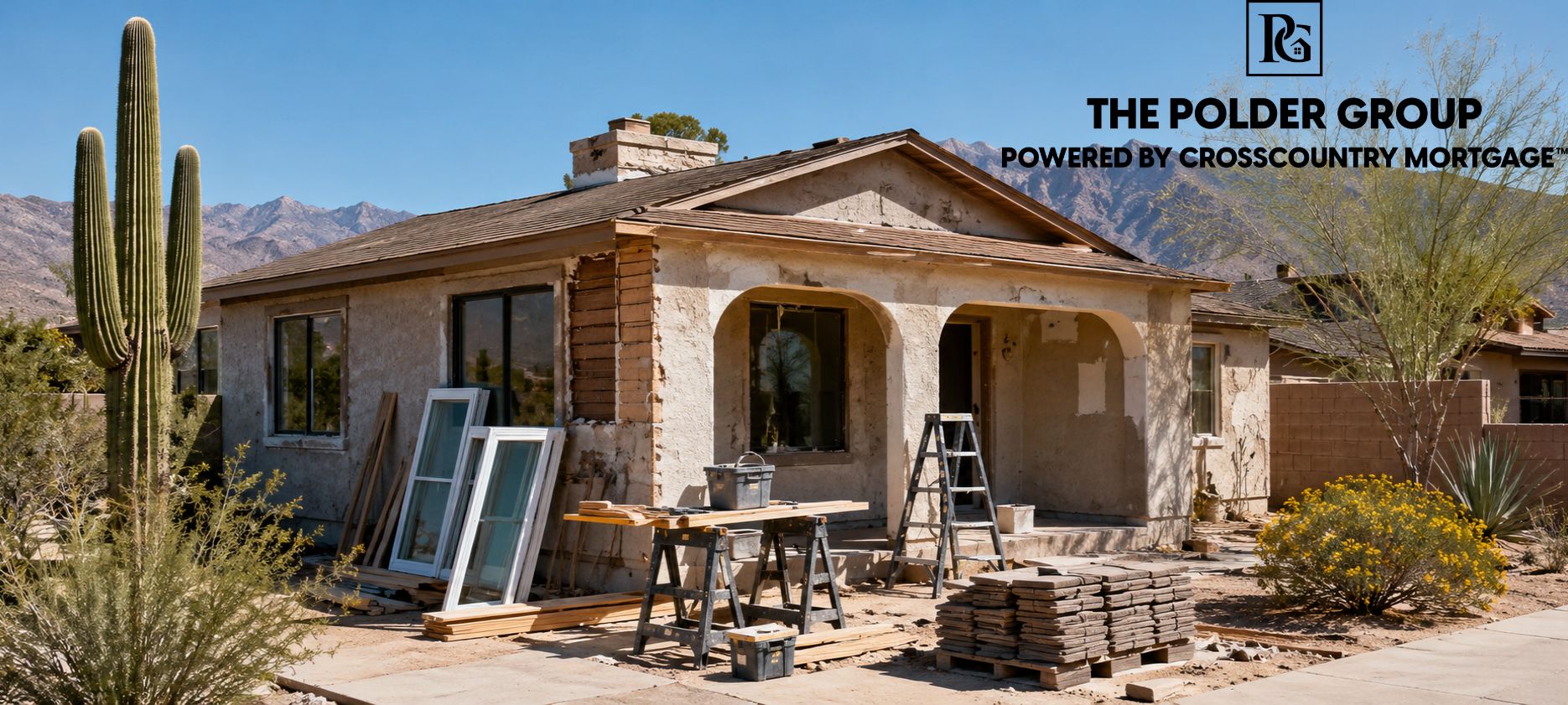
By Derrick Polder • NMLS #207630 • Published: February 17, 2026 • Updated: August 5, 2026
Buying a fixer-upper home can be an exciting opportunity to build equity, personalize your living space, and potentially purchase in a neighborhood that might otherwise be outside your budget. However, renovation projects also come with financial and logistical challenges.
Fortunately, an FHA 203(k) renovation loan allows qualified buyers to finance both the purchase price of the home and eligible renovation costs with a single mortgage. Instead of juggling multiple loans or high-interest financing, you can simplify the process while bringing an older property back to life.
Whether you're a first-time homebuyer or searching for a home with renovation potential, understanding how renovation financing works can help you make a more informed decision.
An FHA 203(k) loan is a government-insured mortgage designed for buyers who want to purchase a home that needs repairs or improvements.
Rather than paying for renovations separately, the loan combines:
Depending on your qualifications and loan structure, FHA 203(k) loans are available with either fixed-rate or adjustable-rate options.
Compared to financing renovations with a home equity line of credit, personal loan, or credit cards, combining everything into one mortgage may offer a more manageable financing solution. As always, borrowers should consult qualified tax professionals regarding any potential tax benefits.
To learn more about renovation financing, explore our Renovation Loan options.
There are two primary versions of the FHA 203(k) loan, each designed for different renovation needs.
The Streamline program is intended for cosmetic or non-structural improvements.
Common eligible projects include:
Generally, structural additions or major reconstruction are not eligible under the Streamline program.
If your project involves larger renovations, the Standard FHA 203(k) may be the better choice.
This option can finance projects such as:
Standard 203(k) loans typically require a HUD-approved consultant who helps oversee the renovation process and documents the work to be completed.
Our Tucson mortgage team can help determine which renovation financing option best fits your goals. Learn more about available Mortgage Loan Programs.
A home needing updates isn't the right fit for everyone, but it can offer unique opportunities.
Fixer-upper homes often sell below comparable move-in-ready properties, potentially allowing buyers to purchase more square footage or enter competitive neighborhoods.
Instead of paying for someone else's design choices, you can renovate the home to match your style and lifestyle.
Older homes frequently feature architectural details that are difficult to find in newer construction, including:
Thoughtful renovations may improve both your enjoyment of the home and its future resale appeal, although market conditions and property values can vary.
Making strategic improvements over time may increase the home's value while creating a space tailored to your family's needs.
Renovation projects can be rewarding, but they also require careful planning.
Even detailed budgets can change once renovations begin. Many contractors recommend setting aside an additional 15% to 20% for unforeseen repairs.
If renovations are extensive, living in the property during repairs may be inconvenient due to dust, noise, or limited access to parts of the home.
Issues like outdated electrical systems, plumbing problems, or structural damage may only become apparent after work begins.
It's wise to consider surrounding home values before investing heavily in renovations, particularly if resale is part of your long-term plan.
Southern Arizona presents unique considerations when purchasing an older home.
Many Tucson-area homes built decades ago may require updates to HVAC systems, roofing materials, insulation, or energy-efficient windows to better handle the desert climate. Older properties may also benefit from plumbing, electrical, or cooling system improvements that enhance comfort and efficiency.
Before purchasing a fixer-upper, it's important to schedule a professional home inspection and work with experienced local professionals who understand Arizona construction standards and regional housing conditions.
The Polder Group proudly serves buyers throughout Tucson and Southern Arizona. Learn more about the communities we serve by visiting our Areas We Serve page.
If you're considering a fixer-upper, keep these best practices in mind:
Planning ahead can help reduce surprises and keep your renovation project on track.
Buying a fixer-upper doesn't have to be overwhelming. With the right financing, experienced guidance, and a realistic renovation plan, you can turn a home with potential into one you'll enjoy for years to come.
If you're exploring renovation financing or wondering whether an FHA 203(k) loan is right for your situation, the experienced team at The Polder Group at CrossCountry Mortgage is here to help. Contact our Tucson mortgage team today to discuss your options and take the next step toward your homeownership goals.
An FHA 203(k) loan allows qualified borrowers to finance both the purchase of a home and eligible renovation costs with a single mortgage.
Yes. Many first-time buyers use FHA 203(k) loans to purchase homes needing repairs, provided they meet FHA eligibility requirements.
Eligible repairs may include roofing, HVAC replacement, plumbing, electrical work, flooring, kitchen and bathroom renovations, accessibility improvements, and certain structural repairs, depending on the loan type.
A Streamline (Limited) FHA 203(k) is designed for non-structural improvements, while a Standard FHA 203(k) can finance larger structural renovations and typically requires oversight from a HUD-approved consultant.
It depends on your budget, renovation goals, and local housing market. A fixer-upper can offer opportunities to personalize your home and potentially build equity, but it's important to budget for unexpected costs.
Absolutely. A professional inspection can identify structural, electrical, plumbing, or safety concerns before you finalize your purchase.
Yes. Renovation loan programs such as the FHA 203(k) are specifically designed to finance eligible repair costs along with the home's purchase price.
This article is for educational purposes only and does not constitute financial or mortgage advice. Loan programs, rates, and guidelines may change at any time. All loans are subject to credit approval and underwriting. For guidance tailored to your situation, consult a licensed mortgage professional.
By Derrick Polder • NMLS #207630 • Published: September 10, 2026 • Updated: September 16, 2026
Read article
By Derrick Polder • NMLS #207630 • Published: August 31, 2026 • Updated: September 09, 2026
Read article
By Derrick Polder • NMLS #207630 • Published: August 20, 2026 • Updated: August 31, 2026
Read article
By Derrick Polder • NMLS #207630 • Published: August 3, 2026 • Updated: August 31, 2026
Read article






Different levels of commitment - all start with a conversation.

A quick first step to review loan options and next steps with a local expert.
Ready to move forward now? Secure application - Credit review required
Not ready for a form? Ask a question and a local expert will follow up.