



How to Sell Your House in Tucson: A Step-by-Step Guide for Homeowners
Aug 20, 2026By Derrick Polder • NMLS #207630 • Published: August 20, 2026 • Updated: August 31, 2026
Read article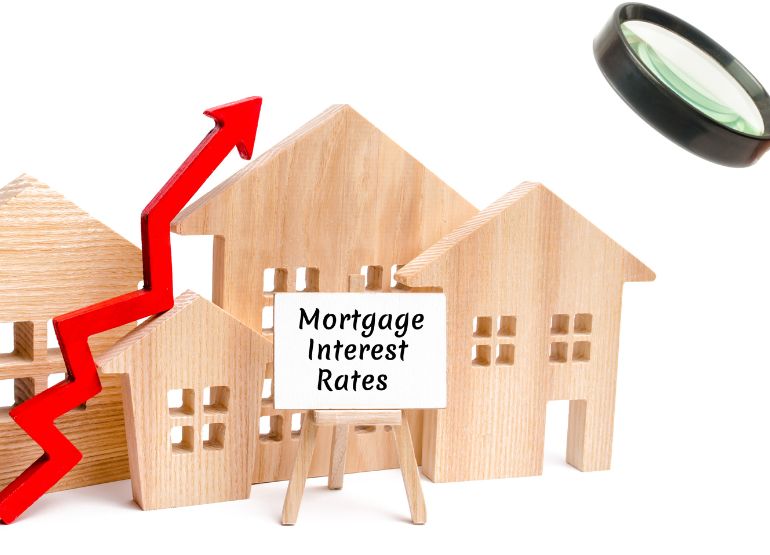
Unravel the mystery of Mortgage Costs. Understand APR and Interest Rate.
When you're shopping for a mortgage, it's important to understand that your monthly mortgage payment is more than just the amount you borrow. A mortgage is a complete financial package that typically includes your loan principal, interest, homeowner's insurance, property taxes, and, in some cases, mortgage insurance.
Knowing the difference between your interest rate and your Annual Percentage Rate (APR) can help you compare loan options more effectively and make an informed home financing decision.
At The Polder Group at CrossCountry Mortgage, we help homebuyers throughout Tucson and Southern Arizona understand every aspect of the mortgage process so they can choose the loan that best fits their financial goals.
Your interest rate is the cost you pay to borrow money from your lender. It is expressed as a percentage of your loan amount and directly affects your monthly principal and interest payment.
Depending on the loan program, your interest rate may be:
A lower interest rate generally results in a lower monthly mortgage payment, making it one of the most important factors when selecting a home loan.
The Annual Percentage Rate (APR) provides a broader picture of your mortgage's total cost.
In addition to your interest rate, the APR may include:
Because these additional costs are included, the APR is often higher than the advertised interest rate. While the interest rate tells you the cost of borrowing money, the APR reflects the overall cost of obtaining the loan.
Although these terms are closely related, they serve different purposes.
Interest Rate
APR
When you apply for a mortgage, you'll receive a Loan Estimate that clearly displays both your interest rate and APR. Comparing these figures across multiple loan offers can help you evaluate which loan may provide the best overall value.
If one loan has an interest rate similar to another but a significantly higher APR, it may include higher fees or additional costs.
The best loan option depends on your financial goals and how long you expect to own your home.
If you're purchasing your forever home or expect to stay for many years, choosing a loan with a lower APR could reduce your total borrowing costs over the life of the loan. A fixed-rate mortgage may also provide predictable monthly payments.
If you anticipate relocating within a relatively short period, paying fewer upfront costs—even if it results in a slightly higher interest rate or APR—could be the more economical option. Since you may not keep the loan for decades, minimizing initial expenses can sometimes save money overall.
Every situation is unique, which is why it's important to review your options with a knowledgeable mortgage professional.
Many homebuyers focus solely on the advertised interest rate, but comparing APRs can provide a more accurate understanding of a loan's total cost. Looking at both figures together allows you to make a more informed comparison between different lenders and loan programs.
If you're exploring financing options, reviewing available loan programs (https://www.thepoldergroup.com/mortgage-loan-programs-tucson) and using helpful mortgage calculators (https://www.thepoldergroup.com/calculators) can help you estimate payments and better understand your borrowing costs.
In most cases, yes. APR typically includes the interest rate plus certain lender fees and financing costs, making it slightly higher than the interest rate alone.
Both are important. The interest rate affects your monthly payment, while the APR helps you compare the overall cost of different mortgage loans.
Yes. Two loans may offer the same interest rate but have different fees, resulting in different APRs.
Whether you're buying your first home, upgrading to a new property, or refinancing your current mortgage, understanding the difference between APR and interest rate can help you make a confident financial decision.
The Polder Group at CrossCountry Mortgage proudly serves homebuyers and homeowners throughout Tucson and Southern Arizona. If you'd like personalized guidance, we're here to answer your questions, explain your financing options, and help you determine which mortgage solution may be right for your needs.
Contact The Polder Group today for a personalized mortgage consultation and take the next step toward your homeownership goals.
This article is for educational purposes only and does not constitute financial or mortgage advice. Loan programs, rates, and guidelines may change at any time. All loans are subject to credit approval and underwriting. For guidance tailored to your situation, consult a licensed mortgage professional.
By Derrick Polder • NMLS #207630 • Published: August 20, 2026 • Updated: August 31, 2026
Read article
By Derrick Polder • NMLS #207630 • Published: August 3, 2026 • Updated: August 31, 2026
Read article
By Derrick Polder • NMLS #207630 • Published: July 13, 2026 • Updated: July 22, 2026
Read article
By Derrick Polder • NMLS #207630 • Published: July 13, 2026 • Updated: July 22, 2026
Read article






Different levels of commitment - all start with a conversation.

A quick first step to review loan options and next steps with a local expert.
Ready to move forward now? Secure application - Credit review required
Not ready for a form? Ask a question and a local expert will follow up.