



How to Sell Your House in Tucson: A Step-by-Step Guide for Homeowners
Aug 20, 2026By Derrick Polder • NMLS #207630 • Published: August 20, 2026 • Updated: August 31, 2026
Read article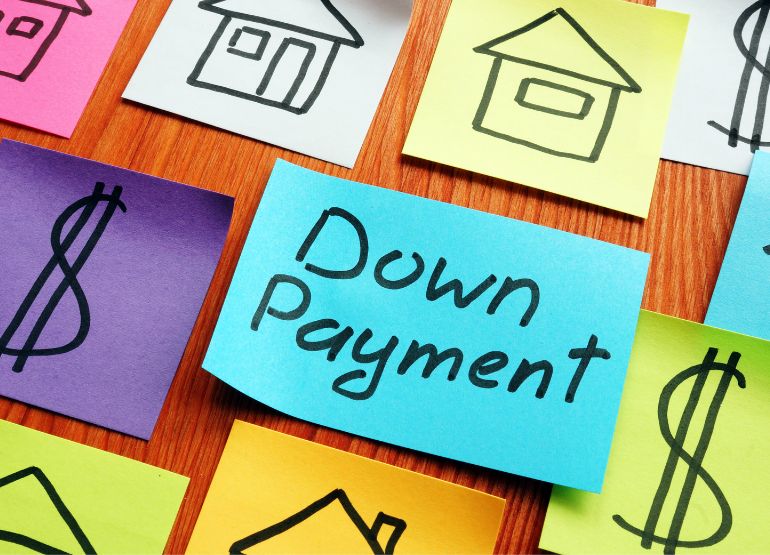
Unlocking the Path to Homeownership: Expert Insights
After years of saving and preparing, you're finally ready to buy a home. You've worked to build your credit, stabilize your income, and prepare for the responsibilities of homeownership. One question many buyers ask at this stage is:
"When do I actually need my down payment ready?"
The good news is that you typically won't need the entire down payment immediately when you begin shopping for a home. However, you will likely need earnest money when you submit an offer.
Understanding the difference between earnest money and your down payment can help you plan your finances and avoid surprises during the homebuying process.
If you're a first-time homebuyer, it's never too early to start saving for a down payment. For many buyers, it's one of the largest financial hurdles to overcome.
When you find a home and submit an offer, you generally won't be required to provide the full down payment right away. Instead, you'll usually submit an earnest money deposit, which demonstrates to the seller that you're serious about purchasing the property.
In most transactions:
The period between signing a purchase contract and closing on the home is often around 30 to 45 days, although timelines can vary depending on the transaction.
If you're still building your savings, creating a plan early can help you prepare for both your down payment and closing expenses. Buyers can also explore available resources such as Down Payment Assistance Programs that may help reduce upfront costs depending on eligibility.
Although they are related, earnest money and a down payment serve different purposes.
Earnest money is a deposit made when you submit an offer on a home. It shows the seller you're committed to completing the purchase.
The amount is negotiated as part of the purchase contract and can vary based on:
In competitive seller's markets, a larger earnest money deposit may help strengthen your offer.
Earnest money is typically paid by:
Your real estate agent can help determine an appropriate amount based on current market conditions.
Your down payment is the portion of the home's purchase price that you contribute at closing.
The amount required depends on the loan program and borrower qualifications. Common options include:
| Loan Program | Minimum Down Payment |
|---|---|
| FHA Loan | 3.5% |
| Conventional Loan (with PMI) | 3% |
| VA Loan | Eligible borrowers may qualify for 100% financing |
| USDA Loan* | Eligible borrowers may qualify for 100% financing |
| Jumbo Loan | Often starts around 15% for primary residences |
Buyers often assume they need a 20% down payment to purchase a home, but many financing options require significantly less.
To learn more about available financing solutions, explore our Mortgage Loan Programs page.
In most transactions, earnest money is placed into an escrow account managed by a neutral third party.
The funds remain there until closing, at which point they are typically applied toward:
Specific escrow rules vary by state and contract terms, so it's important to review your purchase agreement carefully.
If a buyer violates the terms of the contract without a valid contingency, they could potentially forfeit their earnest money deposit.
Many purchase contracts include contingencies that allow buyers to cancel under certain circumstances while protecting their earnest money deposit.
Common contingencies include:
Protects the buyer if financing cannot be secured.
Protects the buyer if the property's appraised value comes in lower than the agreed purchase price.
Protects the buyer if a home inspection uncovers significant issues that cannot be resolved through negotiation.
Without applicable contingencies, canceling the contract could result in losing the earnest money deposit.
In addition to your down payment, buyers should budget for:
Having reserves beyond your minimum required funds can help create a smoother transition into homeownership.
Before shopping for a home, consider using our Mortgage Calculators and reviewing the Loan Process so you'll know what to expect from application through closing.
No. Most buyers only need earnest money available when making an offer. The remaining down payment and closing costs are typically due at closing.
Initially, yes. However, earnest money is usually credited toward your down payment or closing costs at settlement.
Depending on eligibility, certain loan programs such as VA and USDA loans may offer low or no down payment options. FHA and conventional loans may also allow lower down payment requirements.
Beyond your down payment, it's wise to have funds available for closing costs, moving expenses, and emergency reserves.
Understanding when your down payment is due is an important step toward becoming a homeowner. Whether you're buying your first home, exploring low down payment options, or preparing for pre-approval, The Polder Group at CrossCountry Mortgage is here to help.
Contact our team today to discuss your financing options, review available loan programs, and create a homebuying strategy tailored to your goals.
USDA loan eligibility, property location requirements, income limits, and maximum loan amounts may apply. Program guidelines are subject to change.
This article is for educational purposes only and does not constitute financial or mortgage advice. Loan programs, rates, and guidelines may change at any time. All loans are subject to credit approval and underwriting. For guidance tailored to your situation, consult a licensed mortgage professional.
By Derrick Polder • NMLS #207630 • Published: August 20, 2026 • Updated: August 31, 2026
Read article
By Derrick Polder • NMLS #207630 • Published: August 3, 2026 • Updated: August 31, 2026
Read article
By Derrick Polder • NMLS #207630 • Published: July 13, 2026 • Updated: July 22, 2026
Read article
By Derrick Polder • NMLS #207630 • Published: July 13, 2026 • Updated: July 22, 2026
Read article





Different levels of commitment - all start with a conversation.

A quick first step to review loan options and next steps with a local expert.
Ready to move forward now? Secure application - Credit review required
Not ready for a form? Ask a question and a local expert will follow up.