



How to Sell Your House in Tucson: A Step-by-Step Guide for Homeowners
Aug 20, 2026By Derrick Polder • NMLS #207630 • Published: August 20, 2026 • Updated: August 31, 2026
Read article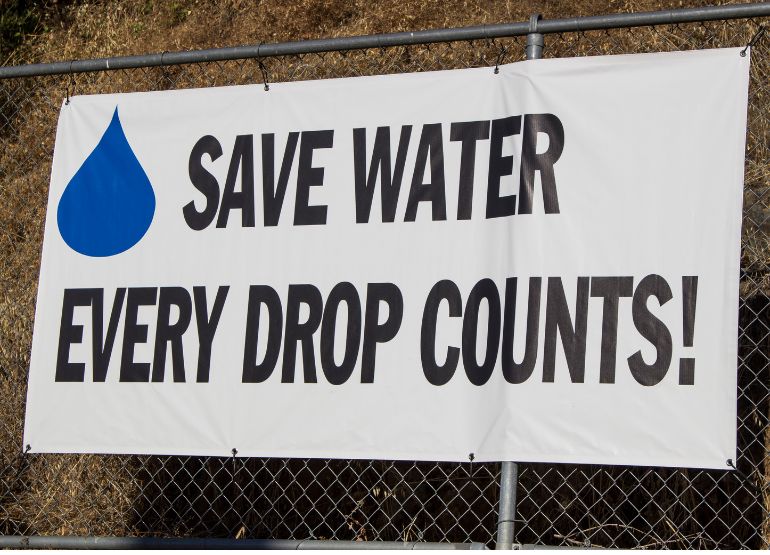
Empowering Homeowners with Sustainable Water Solutions
Did you know that nearly one-third of a household’s daily water use happens outdoors? In hot, dry climates like Tucson and Southern Arizona, that percentage can be even higher. As temperatures rise during the summer months, homeowners often see increased water usage from landscaping, irrigation systems, pools, and outdoor activities.
The good news is that there are several practical ways to reduce outdoor water consumption without sacrificing curb appeal or enjoying your outdoor living spaces. From choosing drought-tolerant plants to identifying hidden leaks, small changes can make a meaningful difference for both your water bill and the environment.
Although water covers most of our planet, less than 1% of Earth's water supply is readily available for human use. As communities across Arizona continue to experience drought conditions and water resource challenges, conserving water becomes increasingly important.
According to the U.S. Environmental Protection Agency (EPA), a significant portion of residential water use is dedicated to outdoor landscaping and lawn care. During the summer, additional activities such as filling swimming pools, running irrigation systems, and unnoticed leaks can dramatically increase water consumption.
Excessive outdoor water use may contribute to:
By adopting water-wise landscaping practices, homeowners can help protect valuable resources while maintaining beautiful outdoor spaces.
Landscaping plays an important role in maintaining and enhancing property value. Fortunately, homeowners can create attractive outdoor environments while reducing water use by selecting drought-tolerant plants.
Popular drought-resistant options include:
For homeowners in Tucson and Southern Arizona, native and desert-adapted plants often require significantly less irrigation because they are naturally suited to the local climate. Selecting plants that thrive in your USDA Plant Hardiness Zone can help reduce maintenance while conserving water.
Xeriscaping is a landscaping approach that uses drought-tolerant plants, efficient irrigation methods, and thoughtful design to create beautiful outdoor spaces with minimal water requirements.
Not only can xeriscaping help conserve water, but it can also reduce the time and expense associated with maintaining traditional lawns.
Before starting a xeriscape project, consider factors such as:
Reduced Water Use
Many xeriscaped landscapes use substantially less water than traditional lawns and gardens. In some cases, water consumption may be reduced by up to 50%, depending on the design and plant selection.
Lower Maintenance
Because drought-tolerant plants are adapted to local conditions, they generally require less mowing, pruning, fertilizing, and watering.
Environmental Benefits
Xeriscaping can reduce reliance on chemical fertilizers and decrease the use of gas-powered lawn equipment, helping minimize environmental impact.
Potential Rebates
Some municipalities and water providers offer incentives or rebate programs for homeowners who replace high-water-use landscaping with water-efficient alternatives. Check with your local utility provider for current programs.
While xeriscaping offers many benefits, homeowners should be aware of a few potential drawbacks:
For many Arizona homeowners, however, the long-term water savings and reduced maintenance often outweigh these considerations.
Even small leaks can waste a surprising amount of water over time.
Make it a habit to inspect:
Watch for standing water, unusually green patches of grass, or unexplained increases in your water bill. Your water meter can also help identify hidden leaks by monitoring usage when no water is being used inside or outside the home.
Addressing leaks promptly can help prevent unnecessary water waste and avoid costly repairs down the road.
Other simple water-saving strategies include:
These small changes can add up to meaningful water savings throughout the year.
Whether you're maintaining your current home or preparing to purchase a new property, investing in water-efficient improvements can help reduce operating costs and support sustainable homeownership.
If you're considering buying a home in Tucson or Southern Arizona, explore our resources on Buy a Home, learn about available Loan Programs, or review our helpful Home Loan FAQs.
Well-designed xeriscaping may improve curb appeal and appeal to buyers seeking lower-maintenance, water-efficient landscaping, particularly in arid climates like Arizona.
Popular options include agave, red yucca, desert marigold, Texas sage, and other native desert plants that thrive with minimal irrigation.
A visual inspection every month and a more thorough review at the beginning and end of each season can help identify issues before they become costly.
Yes. Depending on the property and existing landscaping, water-efficient upgrades may significantly reduce outdoor water consumption and lower monthly water expenses.
Whether you're buying your first home, upgrading to a larger property, or exploring financing options, The Polder Group at CrossCountry Mortgage is here to help. Contact our team for personalized mortgage guidance, pre-approval assistance, and answers to your home financing questions throughout Tucson and Southern Arizona.
This article is for educational purposes only and does not constitute financial or mortgage advice. Loan programs, rates, and guidelines may change at any time. All loans are subject to credit approval and underwriting. For guidance tailored to your situation, consult a licensed mortgage professional.
By Derrick Polder • NMLS #207630 • Published: August 20, 2026 • Updated: August 31, 2026
Read article
By Derrick Polder • NMLS #207630 • Published: August 3, 2026 • Updated: August 31, 2026
Read article
By Derrick Polder • NMLS #207630 • Published: July 13, 2026 • Updated: July 22, 2026
Read article
By Derrick Polder • NMLS #207630 • Published: July 13, 2026 • Updated: July 22, 2026
Read article






Different levels of commitment - all start with a conversation.

A quick first step to review loan options and next steps with a local expert.
Ready to move forward now? Secure application - Credit review required
Not ready for a form? Ask a question and a local expert will follow up.