



How to Sell Your House in Tucson: A Step-by-Step Guide for Homeowners
Aug 20, 2026By Derrick Polder • NMLS #207630 • Published: August 20, 2026 • Updated: August 31, 2026
Read article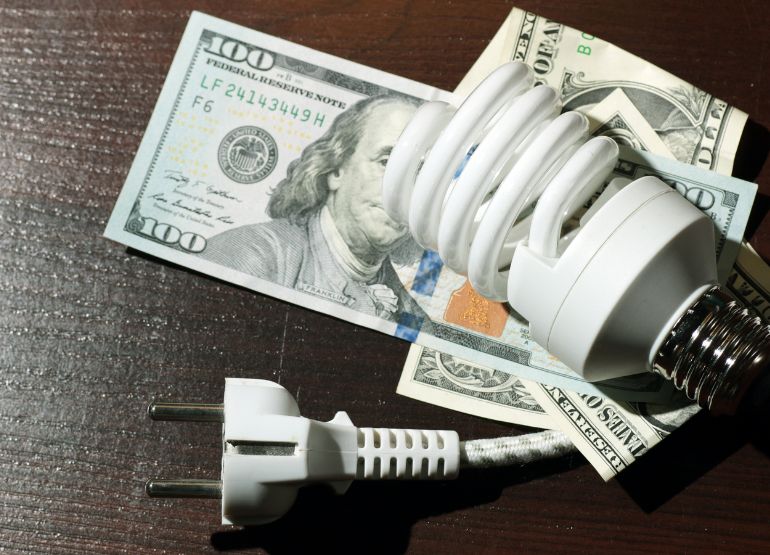
Unlock savings and sustainability with simple, practical steps.
With utility costs continuing to rise, many homeowners are looking for practical ways to reduce their monthly expenses. The average American household spends well over $100 each month on electricity, but making a few simple changes around your home can improve energy efficiency, reduce your environmental impact, and help lower your utility bills.
Whether you're a first-time homebuyer or have owned your home for years, these energy-saving tips can help you get the most from your investment.
Air conditioning is one of the largest contributors to summer energy costs. Ceiling fans and portable fans can help your air conditioner work more efficiently by creating a cooling breeze that makes rooms feel more comfortable.
Keep in mind that fans cool people—not rooms—so be sure to turn them off when you leave a room. Wearing lightweight, breathable clothing during warmer months can also help you stay comfortable while reducing the need to lower the thermostat.
Water heating is typically the second-largest energy expense in most homes. Small adjustments can add up to noticeable savings.
Many electronics continue drawing electricity even when they're turned off. These "energy vampires" include:
Reduce phantom energy use by unplugging devices you rarely use or connecting them to a smart power strip that automatically cuts power when devices enter standby mode.
Replacing traditional incandescent bulbs with LED lighting is one of the easiest and most affordable energy upgrades you can make.
LED bulbs:
Over time, these savings can significantly reduce both replacement costs and energy bills.
Heating and cooling systems work harder when conditioned air escapes through gaps around windows and doors.
Improve your home's efficiency by:
Proper sealing helps keep your home comfortable year-round while reducing heating and cooling costs.
When it's time to replace older appliances, look for ENERGY STAR® certified models. These appliances are designed to use less electricity while maintaining excellent performance.
Although the upfront investment may be higher, many homeowners recover the added cost over time through lower utility bills. Be sure to compare products using the EnergyGuide label before making a purchase.
Good insulation helps keep warm air inside during winter and cool air inside during summer.
Older homes, in particular, may benefit from additional insulation in:
Improving insulation can reduce energy loss and may provide long-term savings on heating and cooling costs.
Smart home devices make it easier to monitor and manage energy use.
Popular options include:
Many smart thermostats can learn your schedule and automatically adjust temperatures, helping improve comfort while reducing unnecessary energy use.
If you're unsure where your home is losing energy, a professional home energy audit can provide valuable insights.
Many utility companies offer home energy audits at little or no cost. During the inspection, an energy professional may recommend improvements such as:
Before hiring an auditor:
Making your home more energy efficient can help lower monthly expenses, improve comfort, and protect your investment over time. Whether you're preparing to purchase your first home or looking to maximize the value of your current one, energy-saving upgrades are often worthwhile improvements.
If you're considering buying a home, explore available Loan Programs (https://www.thepoldergroup.com/mortgage-loan-programs-tucson), review the Home Buying Process (https://www.thepoldergroup.com/loan-process), or learn about Down Payment Assistance (https://www.thepoldergroup.com/down-payment-assistance) that may be available to qualified buyers.
Smart thermostats may help reduce heating and cooling costs by automatically adjusting temperatures based on your schedule and preferences.
Simple changes such as switching to LED bulbs, sealing air leaks, unplugging unused electronics, and using ceiling fans efficiently can help lower energy costs.
For many homeowners, yes. An audit can identify hidden sources of energy loss and recommend cost-effective improvements.
Whether you're purchasing your first home, upgrading to a new property, or exploring refinancing options, The Polder Group at CrossCountry Mortgage is here to help.
Contact our team today to discuss your home financing goals, learn about available mortgage programs, and receive personalized guidance based on your unique financial situation.
This article is for educational purposes only and does not constitute financial or mortgage advice. Loan programs, rates, and guidelines may change at any time. All loans are subject to credit approval and underwriting. For guidance tailored to your situation, consult a licensed mortgage professional.
By Derrick Polder • NMLS #207630 • Published: August 20, 2026 • Updated: August 31, 2026
Read article
By Derrick Polder • NMLS #207630 • Published: August 3, 2026 • Updated: August 31, 2026
Read article
By Derrick Polder • NMLS #207630 • Published: July 13, 2026 • Updated: July 22, 2026
Read article
By Derrick Polder • NMLS #207630 • Published: July 13, 2026 • Updated: July 22, 2026
Read article






Different levels of commitment - all start with a conversation.

A quick first step to review loan options and next steps with a local expert.
Ready to move forward now? Secure application - Credit review required
Not ready for a form? Ask a question and a local expert will follow up.