



How to Sell Your House in Tucson: A Step-by-Step Guide for Homeowners
Aug 20, 2026By Derrick Polder • NMLS #207630 • Published: August 20, 2026 • Updated: August 31, 2026
Read article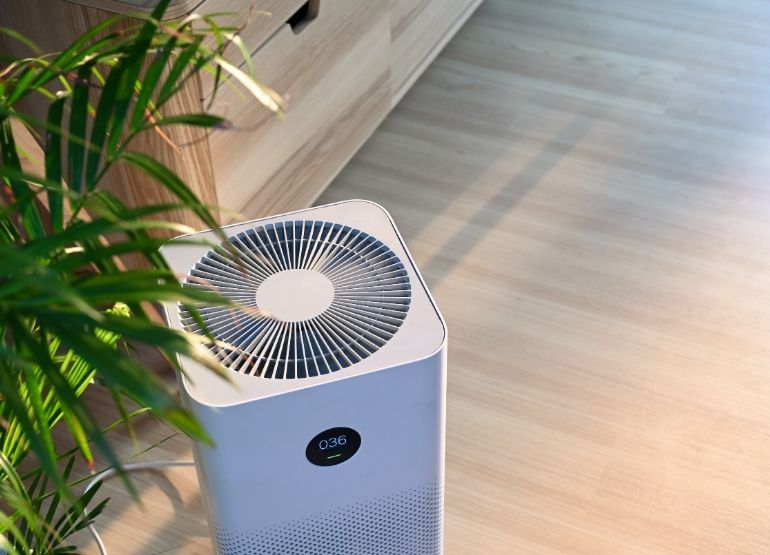
Breathe Easy with Our DIY Air Purifier Guide
Wildfires have become an unfortunate reality in many parts of the country, affecting millions of people each year. Beyond the immediate danger of flames, wildfire smoke can linger for days or even weeks, reducing air quality and creating health concerns for families both near and far from active fires.
Smoke contains fine particulate matter that can travel long distances and enter homes through doors, windows, and ventilation systems. According to the Centers for Disease Control and Prevention (CDC), exposure to wildfire smoke may cause coughing, shortness of breath, headaches, chest discomfort, irritated eyes, and increased heart rate, especially for children, older adults, and individuals with respiratory or heart conditions.
During periods of poor air quality, commercial air purifiers may become difficult to find due to increased demand. Fortunately, a simple DIY air purifier can provide temporary relief by helping reduce airborne particles inside your home.
While a homemade air purifier isn't a substitute for a professionally designed HEPA air purifier, it can be an affordable short-term option during emergencies.
Before getting started, choose a high-quality air filter that best fits your needs. Many experts recommend selecting a filter with a higher Minimum Efficiency Reporting Value (MERV) or Microparticle Performance Rating (MPR), as these filters are designed to capture smaller airborne particles.
You'll need:
Building your DIY air purifier only takes a few minutes:
Remember, this is intended as a temporary solution during periods of poor air quality. Replace the filter as recommended or sooner if it becomes visibly dirty.
Even when wildfire smoke isn't present, maintaining clean indoor air can contribute to a healthier home environment. Consider these additional strategies:
Air quality conditions can change quickly during wildfire season. Monitor local air quality reports and follow guidance from your local health department and emergency management officials before spending time outdoors.
If you're able, consider supporting organizations that provide assistance to wildfire victims through donations or volunteer efforts.
No. A homemade air purifier can help reduce airborne particles during emergencies, but it generally does not perform as effectively as a certified HEPA air purifier.
Replacement depends on usage and air quality conditions. Inspect the filter regularly and replace it when it becomes visibly dirty or according to the manufacturer's recommendations.
Yes. Fine smoke particles can enter homes through small openings and ventilation systems, making indoor air quality a concern even if you're not near an active wildfire.
At The Polder Group at CrossCountry Mortgage, we know that unexpected events can impact every aspect of homeownership. Whether you're buying your first home, refinancing your current mortgage, or exploring loan options in Tucson or anywhere in Southern Arizona, our team is here to provide trusted guidance every step of the way.
If you have questions about home financing or are ready to begin your mortgage journey, contact The Polder Group today. We're committed to helping you make informed decisions with personalized mortgage solutions based on your goals and eligibility.
This article is for educational purposes only and does not constitute financial or mortgage advice. Loan programs, rates, and guidelines may change at any time. All loans are subject to credit approval and underwriting. For guidance tailored to your situation, consult a licensed mortgage professional.
By Derrick Polder • NMLS #207630 • Published: August 20, 2026 • Updated: August 31, 2026
Read article
By Derrick Polder • NMLS #207630 • Published: August 3, 2026 • Updated: August 31, 2026
Read article
By Derrick Polder • NMLS #207630 • Published: July 13, 2026 • Updated: July 22, 2026
Read article
By Derrick Polder • NMLS #207630 • Published: July 13, 2026 • Updated: July 22, 2026
Read article






Different levels of commitment - all start with a conversation.

A quick first step to review loan options and next steps with a local expert.
Ready to move forward now? Secure application - Credit review required
Not ready for a form? Ask a question and a local expert will follow up.