



Down Payment: How Much Do You Need for a House in Tucson?
Aug 31, 2026By Derrick Polder • NMLS #207630 • Published: August 31, 2026 • Updated: September 09, 2026
Read article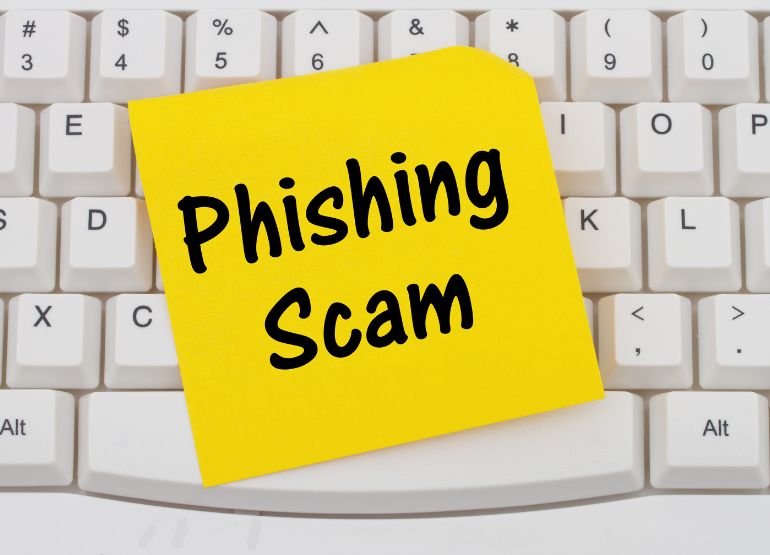
Safeguarding Your Homebuying Journey: Recognizing and Eluding Phishing Scams.
Buying a home is an exciting milestone, but it can also make homebuyers a target for cybercriminals. One of the most common threats is a phishing scam—a deceptive attempt to steal personal information, financial details, or even mortgage funds through fraudulent emails, phone calls, or text messages.
Fortunately, phishing scams are often easy to recognize once you know what warning signs to look for. Understanding how these scams work can help protect your identity, finances, and home purchase from potential fraud.
Phishing is one of the most common forms of online fraud. Scammers pose as trusted organizations such as lenders, title companies, banks, government agencies, or other businesses to trick individuals into providing sensitive information.
These fraudulent communications often create a false sense of urgency by claiming:
The goal is to pressure you into acting quickly before verifying the request. Fraudsters may attempt to collect:
The best defense is to pause, verify, and never provide sensitive information without confirming the legitimacy of the request.
Real estate transactions involve large amounts of money and sensitive personal information, making homebuyers attractive targets for scammers.
In some cases, cybercriminals gain access to transaction details from compromised email accounts or other unauthorized sources. They may then send convincing messages that appear to come from a lender, title company, real estate agent, or closing professional.
A common tactic involves sending fake wire transfer instructions shortly before closing. The message may include realistic-looking invoices or documents designed to persuade the buyer to transfer funds to a fraudulent account.
While these incidents remain relatively uncommon thanks to the security measures used by reputable mortgage lenders and title companies, homebuyers should always remain cautious throughout the transaction process.
Recognizing phishing attempts can help you avoid becoming a victim.
Scammers often use broad statements such as:
"Your payment is overdue."
"Immediate action is required."
"Your account may be suspended."
Legitimate organizations typically provide specific details regarding your account, transaction, or request.
If your lender or financial institution normally communicates through a secure portal, an unexpected email or text message requesting sensitive information should raise concerns.
Trusted organizations make it easy to contact customer service or a representative directly. Messages that lack phone numbers, physical addresses, or verifiable contact details should be treated cautiously.
Always verify the sender before responding. Fraudulent emails often use addresses that closely resemble legitimate company domains but contain subtle misspellings or unusual characters.
Legitimate lenders, banks, and title companies generally will not request confidential information through unsecured email or text messages.
Be especially cautious if a message asks for:
Taking a few simple precautions can significantly reduce your risk of fraud.
Never rely solely on emailed wire instructions. Always call your title company or closing agent using a verified phone number before sending funds.
Only upload loan documents through encrypted systems provided by your lender. Secure platforms help protect sensitive information from interception.
If you're preparing for a mortgage application, reviewing the Loan Process (https://www.thepoldergroup.com/loan-process) and Loan Checklist (https://www.thepoldergroup.com/loan-checklist) can help you understand how and where documents should be submitted securely.
Unknown attachments may contain malware designed to steal personal information or compromise your devices.
If you receive an unexpected attachment related to your mortgage transaction, verify its legitimacy before opening it.
If something feels unusual, trust your instincts. Contact your mortgage professional directly using a known phone number rather than replying to the message in question.
Regularly review bank accounts, credit reports, and financial statements throughout the homebuying process for any unauthorized activity.
One of the best ways to protect yourself is by working with an experienced mortgage team that prioritizes communication and security.
At The Polder Group at CrossCountry Mortgage, we help homebuyers throughout Tucson and Southern Arizona navigate the mortgage process with confidence. Whether you're purchasing your first home, exploring available Loan Programs (https://www.thepoldergroup.com/mortgage-loan-programs-tucson), or preparing for closing, our team is committed to helping you understand each step and identify potential red flags.
In some situations, lenders may communicate by email, but sensitive information is typically collected through secure portals or encrypted systems. Always verify any unusual requests before responding.
Stop immediately and contact your title company, lender, or mortgage advisor using a verified phone number. Do not send funds until the instructions have been confirmed.
While security measures have improved significantly, phishing scams continue to target homebuyers due to the large sums of money involved in real estate transactions.
Use only secure document portals provided by your lender. Avoid sending sensitive information through standard email whenever possible.
The homebuying process involves many important financial decisions, and protecting your personal information should be one of them. Staying alert, verifying requests, and working with trusted mortgage professionals can help reduce your risk of becoming a victim of fraud.
If you have questions about the mortgage process, document security, pre-approval, or buying a home in Tucson or Southern Arizona, contact The Polder Group at CrossCountry Mortgage. Our team is here to provide guidance and help you move forward with confidence.
This article is for educational purposes only and does not constitute financial or mortgage advice. Loan programs, rates, and guidelines may change at any time. All loans are subject to credit approval and underwriting. For guidance tailored to your situation, consult a licensed mortgage professional.
By Derrick Polder • NMLS #207630 • Published: August 31, 2026 • Updated: September 09, 2026
Read article
By Derrick Polder • NMLS #207630 • Published: August 20, 2026 • Updated: August 31, 2026
Read article
By Derrick Polder • NMLS #207630 • Published: August 3, 2026 • Updated: August 31, 2026
Read article
By Derrick Polder • NMLS #207630 • Published: July 13, 2026 • Updated: July 22, 2026
Read article





Different levels of commitment - all start with a conversation.

A quick first step to review loan options and next steps with a local expert.
Ready to move forward now? Secure application - Credit review required
Not ready for a form? Ask a question and a local expert will follow up.