



How to Sell Your House in Tucson: A Step-by-Step Guide for Homeowners
Aug 20, 2026By Derrick Polder • NMLS #207630 • Published: August 20, 2026 • Updated: August 31, 2026
Read article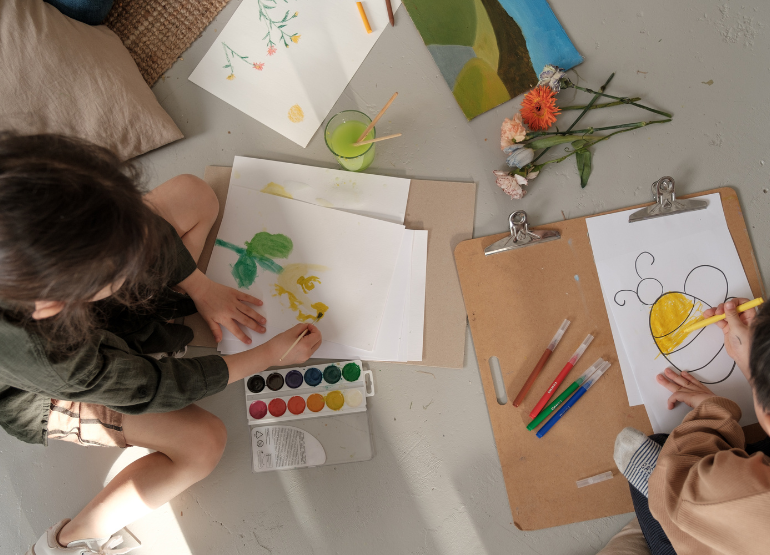
Nurturing Smooth Transitions and Thriving Futures for Your Child's School Journey
Moving to a new home is an exciting milestone, but it can also bring challenges—especially for children adjusting to a new school, neighborhood, and social environment. As a parent, helping your child navigate these changes can make a significant difference in their confidence, academic success, and overall well-being.
The good news is that with the right support, routines, and opportunities, your child can build new friendships, feel comfortable in their surroundings, and thrive in their new school.
One of the best ways to reduce stress during a transition is to establish predictable daily routines. Children often feel more secure when they know what to expect each day.
To make mornings easier, encourage your child to:
A simple morning routine might include:
When mornings run smoothly, children begin the day feeling prepared rather than rushed. If extra time is available, consider reading together or having a conversation before heading out the door.
Moving and changing schools can leave children feeling like many decisions are being made for them. Giving them opportunities to make choices can help restore confidence and independence.
Depending on the situation, allow your child to:
Small decisions can have a big impact on helping children feel empowered during major life changes.
Home should be a place where your child feels safe, supported, and connected. Even if your family has recently relocated, maintaining familiar traditions and routines can provide comfort during the adjustment period.
Simple ways to strengthen family connections include:
Children are more likely to adapt successfully when they know they have a strong support system waiting for them at home.
One of the fastest ways for children to make friends is by connecting with peers who share similar interests.
Extracurricular activities provide opportunities to build relationships, develop skills, and gain confidence outside the classroom.
Sports help children learn teamwork, discipline, and communication while staying active. Whether it's soccer, basketball, baseball, swimming, or another activity, participating in team sports often leads to lasting friendships.
Creative children may enjoy opportunities to express themselves through painting, drawing, theater, dance, or music lessons. These activities encourage self-expression while helping kids connect with others who share their passions.
For children interested in technology, coding and computer programs can develop valuable problem-solving skills while creating opportunities to meet like-minded peers.
Finding a shared interest often makes forming friendships feel more natural and less intimidating.
Playdates can be an excellent way to strengthen new friendships outside of school.
If your child frequently talks about a particular classmate, consider reaching out to their parent or guardian to arrange a get-together. For younger children, teachers may also be able to suggest classmates who would be a good fit.
Before hosting a playdate, consider:
For a first playdate, keep things simple. Invite one child at a time, choose a familiar setting, and limit the visit to a few hours. This approach can help children feel comfortable while allowing friendships to develop naturally.
Teachers, counselors, and school administrators play an important role in helping students transition successfully.
Regular communication with school staff can provide valuable insight into how your child is adjusting socially and academically. Educators may also be able to identify opportunities for involvement, suggest friendship-building activities, or provide additional support if needed.
By working together, parents and school staff can help ensure a smoother adjustment process.
A move can be a major life transition for every member of the family. While children adjust to a new school and community, parents often face the challenges of navigating the homebuying process, financing options, and relocation logistics.
Whether you're purchasing your first home, upgrading to a larger space, or relocating within Tucson or Southern Arizona, The Polder Group at CrossCountry Mortgage is here to help. Our team can guide you through the mortgage process and help you explore financing options that fit your family's goals.
Learn more about our homebuying resources at https://www.thepoldergroup.com/buy or contact our team at https://www.thepoldergroup.com/contact-tucson-mortgage-team to get started.
Every child is different. Some children adapt within a few weeks, while others may need several months to feel fully comfortable. Consistent support and open communication can help ease the transition.
Encourage participation in extracurricular activities, arrange playdates, communicate with teachers, and continue providing emotional support at home.
Yes. Teachers can provide valuable insight into classroom behavior, social interactions, and academic progress, helping parents identify areas where additional support may be beneficial.
Temporary changes in academic performance are common during major transitions. Establishing routines, maintaining communication with teachers, and providing encouragement can help children regain confidence and focus.
This article is for educational purposes only and does not constitute financial or mortgage advice. Loan programs, rates, and guidelines may change at any time. All loans are subject to credit approval and underwriting. For guidance tailored to your situation, consult a licensed mortgage professional.
By Derrick Polder • NMLS #207630 • Published: August 20, 2026 • Updated: August 31, 2026
Read article
By Derrick Polder • NMLS #207630 • Published: August 3, 2026 • Updated: August 31, 2026
Read article
By Derrick Polder • NMLS #207630 • Published: July 13, 2026 • Updated: July 22, 2026
Read article
By Derrick Polder • NMLS #207630 • Published: July 13, 2026 • Updated: July 22, 2026
Read article






Different levels of commitment - all start with a conversation.

A quick first step to review loan options and next steps with a local expert.
Ready to move forward now? Secure application - Credit review required
Not ready for a form? Ask a question and a local expert will follow up.