



2026 Conforming Loan Limits: What Tucson Homebuyers Need to Know
Sep 10, 2026By Derrick Polder • NMLS #207630 • Published: September 10, 2026 • Updated: September 16, 2026
Read article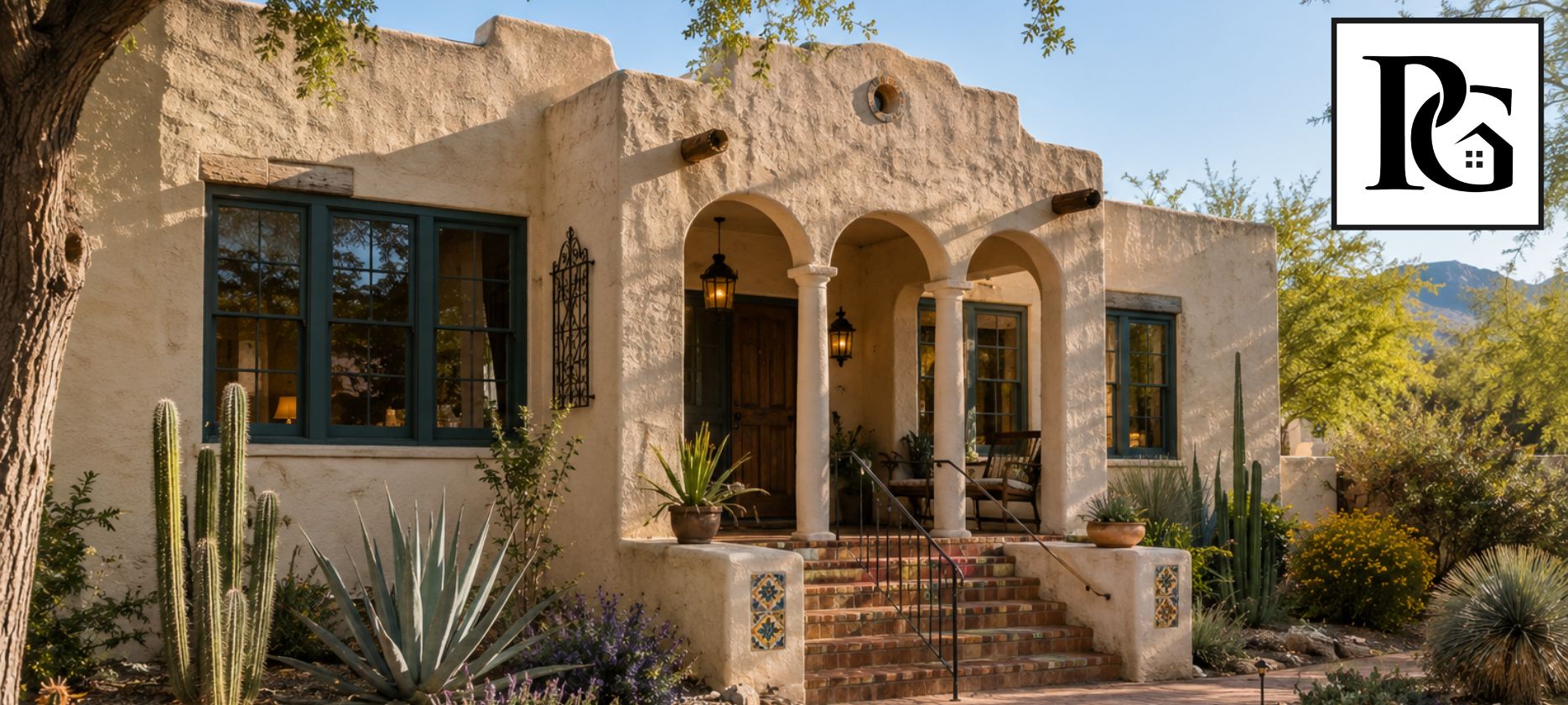
By Derrick Polder • NMLS #207630 • Published: February 17, 2026 • Updated: August 3, 2026
Historic homes offer timeless architecture, unique craftsmanship, and a connection to the past that modern construction often can't replicate. Whether you're considering purchasing a Victorian home, a mid-century ranch, or a classic adobe property in Southern Arizona, understanding historic home renovation rules is essential before beginning any remodeling project.
While owning a historic home can be incredibly rewarding, renovations often come with additional requirements designed to preserve the property's historic character. Knowing these guidelines—and understanding your financing options—can help you avoid unexpected costs and make informed decisions.
If you're considering financing a historic home purchase, our Tucson mortgage professionals can help you explore the best mortgage loan programs for your goalsWhat Makes a Home Historic?
A home may be considered historic in several different ways.
The National Register of Historic Places recognizes more than 90,000 historically significant properties across the United States. Administered by the National Park Service, the register includes homes with architectural, cultural, archaeological, or historical importance. In most cases, a property must be at least 50 years old to qualify.
Many cities—including communities throughout Arizona—maintain their own historic districts with local preservation standards. Even if a home isn't listed on the National Register, local ordinances may still regulate renovations.
Before purchasing a historic property, it's important to verify whether the home falls within a historic district and understand any applicable restrictions.
Contrary to popular belief, being listed on the National Register doesn't automatically prohibit renovations. However, if your property is located within a locally regulated historic district or receives preservation funding, additional guidelines may apply.
Common renovation limitations may include:
Projects that preserve the home's original appearance are generally more likely to receive approval than those that significantly alter its character.
When federal preservation funding is involved, renovations generally fall into one of four categories established by the Secretary of the Interior.
Maintaining and repairing original materials while preserving the property's existing appearance.
Updating the home for modern living while retaining its historic character.
Returning the property to a specific period in its history by removing later alterations.
Recreating missing portions of a historic structure using historical documentation.
Buying a historic home doesn't require a special mortgage, but financing can sometimes be more complex than purchasing a newer property.
Because historic homes often require additional maintenance, lenders may evaluate factors such as:
Depending on the home's condition, conventional financing is often a strong option. However, renovation financing may also be appropriate when repairs are needed.
Our team can help you compare available renovation loan options and determine which financing solution best fits your renovation plans.
You can also use our mortgage calculators to estimate monthly payments before making an offer.
Owning a historic home may qualify you for financial incentives depending on your property's location and intended use.
Potential benefits include:
Many states offer tax incentives for approved historic rehabilitation projects. Programs and eligibility vary, so consult your state's Historic Preservation Office or a qualified tax professional.
Federal Historic Rehabilitation Tax Credits generally apply to income-producing historic properties rather than owner-occupied residences. Other preservation-related tax benefits may be available in certain situations through preservation easements.
Always consult qualified legal and tax professionals before relying on any tax incentives.
Southern Arizona offers a wide variety of historic housing styles, from early adobe homes and Spanish Colonial Revival architecture to classic ranch homes and mid-century neighborhoods.
If you're purchasing a historic property in Tucson or surrounding communities, it's important to understand both preservation requirements and financing opportunities before beginning renovations.
Working with a knowledgeable local mortgage team can simplify the process by helping you evaluate renovation costs, financing options, and long-term affordability.
At The Polder Group, we proudly serve homebuyers throughout Southern Arizona and can help you explore financing solutions that align with your renovation goals. Learn more about the areas we serve or review our loan process before getting started.
Before purchasing a historic property, consider these best practices:
Planning ahead can help you preserve the home's character while protecting your investment.
Historic homes offer unmatched charm, craftsmanship, and architectural history—but they also require careful planning and informed financing decisions. Whether you're purchasing your first historic home or restoring a treasured property, The Polder Group is here to help you navigate your mortgage options with confidence. If you're ready to explore financing for your historic home purchase or renovation, contact our Tucson mortgage team to discuss the loan solutions that fit your goals.
Yes. Listing on the National Register does not automatically restrict renovations, although local historic district regulations or preservation funding requirements may impose certain limitations.
Restrictions often apply to exterior additions, windows, roofing materials, paint colors, and architectural features that contribute to the property's historic character.
Yes. Depending on the property's condition, renovation loan programs or conventional financing may help cover purchase and improvement costs.
Some states offer historic rehabilitation tax incentives. Federal tax credits generally apply to qualifying income-producing historic properties rather than owner-occupied homes.
Some do, but qualification depends on the property's condition and whether it meets program requirements. Conventional financing is often the better fit for homes requiring significant restoration.
Check with your local planning department or Historic Preservation Office before purchasing. They can confirm whether preservation guidelines apply.
Absolutely. A comprehensive inspection can identify structural issues, outdated systems, and potential restoration costs before closing
This article is for educational purposes only and does not constitute financial or mortgage advice. Loan programs, rates, and guidelines may change at any time. All loans are subject to credit approval and underwriting. For guidance tailored to your situation, consult a licensed mortgage professional.
By Derrick Polder • NMLS #207630 • Published: September 10, 2026 • Updated: September 16, 2026
Read article
By Derrick Polder • NMLS #207630 • Published: August 31, 2026 • Updated: September 09, 2026
Read article
By Derrick Polder • NMLS #207630 • Published: August 20, 2026 • Updated: August 31, 2026
Read article
By Derrick Polder • NMLS #207630 • Published: August 3, 2026 • Updated: August 31, 2026
Read article






Different levels of commitment - all start with a conversation.

A quick first step to review loan options and next steps with a local expert.
Ready to move forward now? Secure application - Credit review required
Not ready for a form? Ask a question and a local expert will follow up.