The Home Inspection Checklist for Tucson & Southern Arizona Homebuyers

The Home Inspection Checklist for Tucson & Southern Arizona Homebuyers

What Every Tucson Homebuyer Should Know Before the Inspection

If you’re getting ready to buy a home, one of the most important steps is getting a full home inspection. This process can feel a little overwhelming, especially if it’s your first time buying a home in Tucson or Southern Arizona. A home inspection checklist can help walk you through what to expect, step by step.

In this guide, we’ll explain what to look for, how to find a home inspector and what to expect from your inspection report — with a few important considerations specific to Arizona homes and desert climates.

Key Takeaways

  • What is a home inspection?
  • Home inspection checklist
  • Finding a home inspector
  • How much does it cost?
  • Tips for Arizona homebuyers

What Is a Home Inspection?

A home might look perfect on the outside. But underneath the fresh paint or new flooring, there could be problems — like a roof that needs replacing, HVAC issues or plumbing leaks. That’s where a home inspection comes in.

An inspection takes place after someone accepts an offer on a house, but before closing. A professional home inspector checks all the major parts of the home and provides you with a detailed home inspection report. This report outlines what’s in good shape and what might need repairs or future maintenance.

This is an important step that can help Tucson homebuyers avoid costly surprises after moving in.

How Long Does a Home Inspection Take?

A full inspection typically takes two to four hours, depending on the size and condition of the home.

The buyer isn’t required to attend the inspection, but being there with your real estate agent is highly recommended. You can walk through the property with the inspector, ask questions and get a better understanding of the home’s condition.

The homeowner may be present during the inspection, but many sellers choose to leave to allow the buyer and inspector space to work.

The Home Inspection Report

After the inspection, you’ll receive a home inspection report. This document lists everything the inspector found — both positive and negative. While the report may seem overwhelming at first, remember that almost every home has some issues.

Your real estate agent can help you determine which items are minor maintenance concerns and which may require negotiation or further evaluation.

For Arizona buyers, inspectors often pay close attention to:

  • Roof condition due to intense sun exposure
  • HVAC performance during extreme summer temperatures
  • Foundation cracks from soil movement
  • Signs of water damage from monsoon storms
  • Proper insulation and ventilation

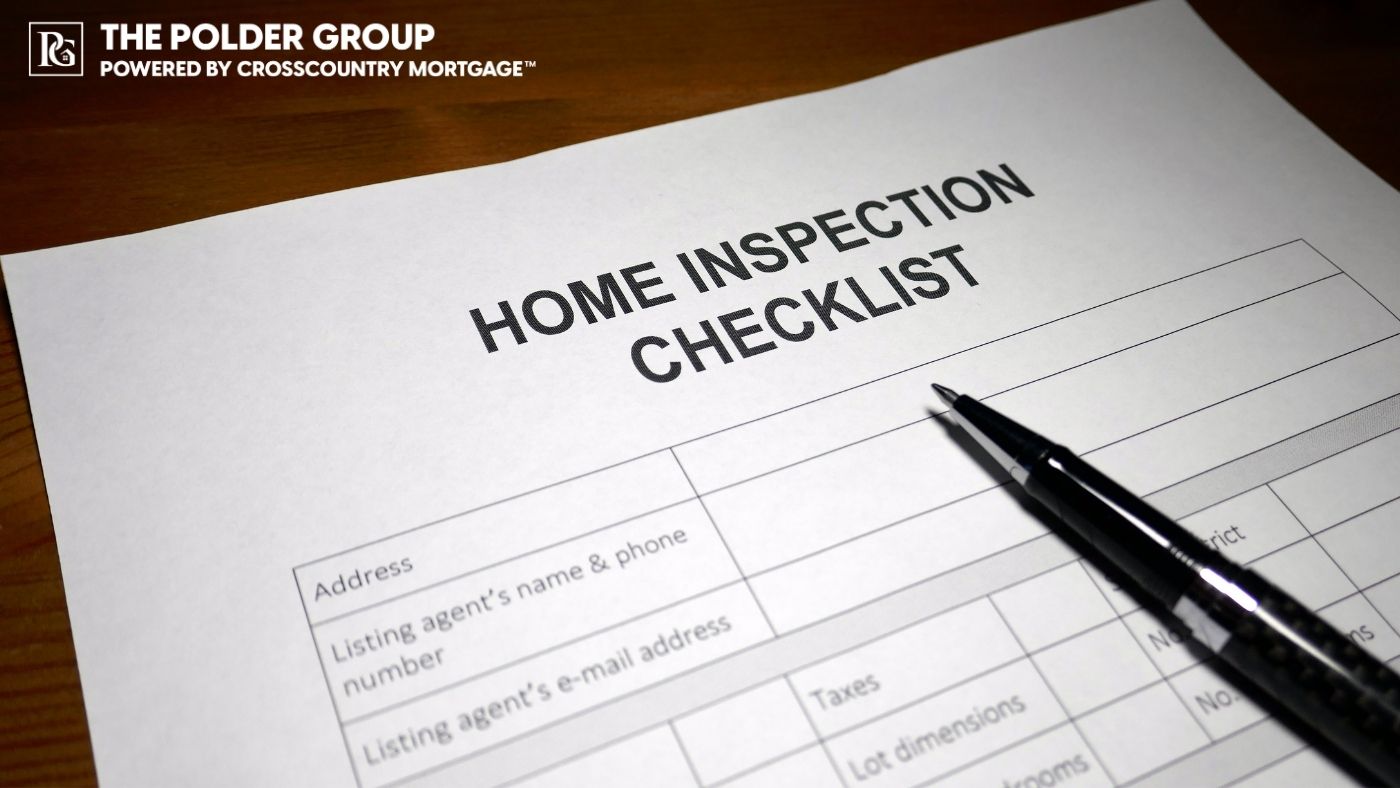
Your Home Inspection Checklist

An inspection checklist includes both the interior and exterior of the home. Here’s what you can expect during a standard home inspection.

Exterior of the Home

Roof – Is it in good condition? Are there cracked tiles, missing shingles or signs of leaks?

Gutters and downspouts – Are they draining properly, especially during monsoon season?

Siding and exterior paint – Any peeling, cracks or water damage?

Foundation – Are there visible cracks or signs of settling?

Windows and doors – Do they open, close and seal properly?

Interior of the Home

Floors, walls and ceilings – Are there stains, cracks or uneven spots?

Windows and doors – Are there drafts or sealing issues?

Stairs and railings – Are they safe and secure?

Smoke and carbon monoxide detectors – Are they installed and functioning?

Plumbing

Faucets and showers – Is the water pressure adequate?

Drains – Do sinks and tubs drain properly?

Pipes – Are there signs of leaks, corrosion or rust?

Water heater – Is it functioning properly and sized appropriately for the home?

Electrical System

Outlets and switches – Do they work correctly?

Breaker box – Is it properly labeled and up to code?

Light fixtures – Are they secure and operational?

GFCI outlets – Are safety outlets installed where required?

Heating and Cooling

In Southern Arizona, the HVAC system is one of the most important items on the inspection checklist.

Air conditioner – Is it cooling efficiently and recently serviced?

Furnace or heat pump – Is it working properly?

Air filters – Are they clean and regularly replaced?

Ductwork – Any leaks or damage?

Kitchen and Appliances

Oven, stove and microwave – Are they functioning properly?

Dishwasher – Does it run without leaking?

Refrigerator – Is it cooling effectively?

Garbage disposal – Any unusual noises or issues?

Attic and Crawl Spaces

Insulation – Is there adequate insulation for Arizona temperatures?

Ventilation – Is airflow sufficient to reduce heat buildup?

Signs of pests – Any evidence of termites or rodents?

Moisture issues – Any signs of leaks, mold or water intrusion?

What Happens After the Inspection?

Once you receive the inspection report, you and your real estate agent can review the findings together. Depending on the results, you may choose to:

  • Move forward with the purchase as-is
  • Request repairs or seller credits
  • Renegotiate the purchase price
  • Walk away from the transaction if serious issues are discovered

The goal of the inspection isn’t to ensure the house is perfect. It’s to help you make an informed decision.

How To Find a Home Inspector

When finding a home inspector, look for someone who is experienced, licensed and familiar with Tucson-area homes and desert construction.

Ask questions such as:

  • Are you licensed and insured in Arizona?
  • How long have you been inspecting homes?
  • What does your inspection include?
  • Can I review a sample inspection report?

You can also ask your real estate agent for referrals or check online reviews from local homeowners.

How Much Does a Home Inspection Cost?

The cost of a home inspection typically ranges from $300 to $500, depending on the size, age and location of the property.

In Tucson and Southern Arizona, additional inspections may be recommended, including:

  • Termite inspections
  • Roof certifications
  • Sewer scope inspections
  • Pool and spa inspections
  • Radon or mold testing when necessary

These services may increase the total inspection cost.

Who Pays for the Home Inspection?

In most cases, the buyer pays for the home inspection as part of the homebuying process. Since the inspection protects the buyer by identifying potential issues, it’s generally considered part of due diligence.

However, in some situations, sellers may offer a recent inspection report or contribute toward inspection-related costs during negotiations.

What Is a 4-Point Inspection?

A 4-point inspection focuses on four major systems:

  • Roof
  • Electrical
  • Plumbing
  • HVAC

Insurance companies sometimes require a 4-point inspection for older homes before issuing coverage.

While useful for insurance purposes, a 4-point inspection is not a substitute for a full home inspection.

4-Point Inspection vs. Full Home Inspection

A full home inspection provides a much more comprehensive review of the property, including:

  • Foundation and structure
  • Appliances
  • Insulation
  • Windows and doors
  • Attics and crawl spaces

If your insurance company requires a 4-point inspection, think of it as an additional step — not a replacement.

Tips To Make the Most of Your Home Inspection

1. Don’t Skip the Inspection

Even newer homes can have hidden problems. A professional inspection can uncover issues before they become expensive surprises.

2. Attend the Inspection if Possible

Walking through the property with the inspector gives you valuable insight into the home’s condition and maintenance needs.

3. Take Notes

Write down concerns, maintenance recommendations and future repair items so you can reference them later.

4. Think Long-Term

Some problems may not require immediate repairs but could become more expensive over time. Ask the inspector which items are urgent and which are routine maintenance concerns.

5. Trust the Process

Almost every inspection uncovers issues. The goal is not perfection — it’s transparency and protection for the buyer.

Final Thoughts

Buying a home is exciting — and sometimes stressful. Having a thorough home inspection checklist can help make the process smoother and give you peace of mind before closing.

From roof condition to HVAC performance, a home inspection helps you better understand the property you’re purchasing and avoid unexpected repair costs down the road.

If you’re buying a home in Tucson or Southern Arizona and have questions about financing, inspections or getting pre-approved, The Polder Group at CrossCountry Mortgage is here to help. We’re happy to guide you through every step of the homebuying process with local mortgage expertise tailored to Arizona buyers.


This article is for educational purposes only and does not constitute financial or mortgage advice. Loan programs, rates, and guidelines may change at any time. All loans are subject to credit approval and underwriting. For guidance tailored to your situation, consult a licensed mortgage professional.

Recent Articles