



How to Sell Your House in Tucson: A Step-by-Step Guide for Homeowners
Aug 20, 2026By Derrick Polder • NMLS #207630 • Published: August 20, 2026 • Updated: August 31, 2026
Read article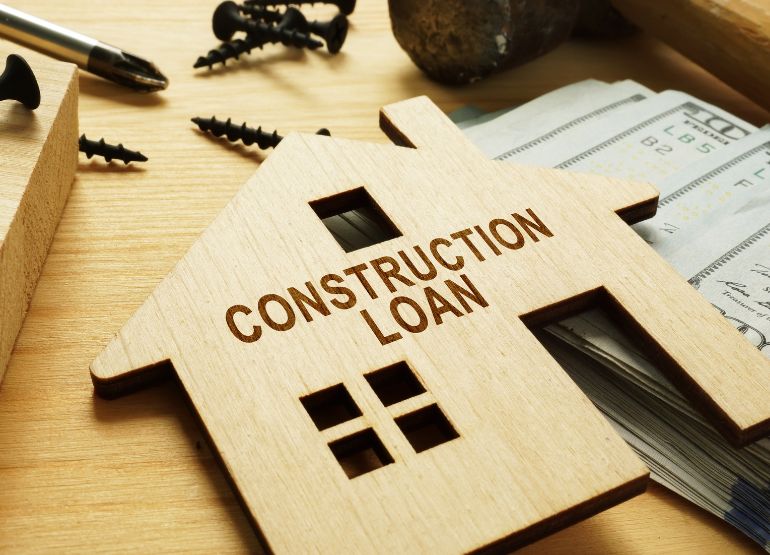
Building Your Dream Home: Navigating Construction Loans with Ease
Sometimes, finding the perfect home means building it yourself. Whether you're constructing a custom home from the ground up or renovating a fixer-upper in Arizona, a construction loan can help finance the project from start to finish.
Unlike a traditional mortgage, a construction loan is designed specifically for building costs. These loans are short-term, typically lasting 12 months, and funds are released in stages as construction progresses.
Here’s what homebuyers should know about how construction loans work, the different types available, and how to qualify.
A construction loan provides funding for the cost of building a home or completing major renovations. Instead of receiving all the money upfront, borrowers receive funds in scheduled draws throughout the construction process.
Construction loans work differently than standard mortgages in several ways:
Once construction is complete, the loan is either converted into a permanent mortgage or paid off through separate financing.
Because lenders assume more risk during the building process, they often require more documentation and stricter qualification standards than a standard home loan.
You’ll need to choose a construction loan that fits your needs. Some loans are devoted exclusively to renovation projects, while others cover construction costs for a new building. These can be further categorized into one-time close loans or loans that require you to take out a separate mortgage once construction is completed.
A construction-to-permanent loan combines construction financing and a long-term mortgage into one loan.
During construction, borrowers typically make interest-only payments. Once the home is finished, the loan automatically converts into a traditional mortgage.
Benefits include:
This is often the simplest option for borrowers planning to occupy the home long term.
A stand-alone construction loan only covers the construction phase. Once the project is complete, borrowers must apply for a separate mortgage to pay off the construction loan.
Advantages include:
However, this option also comes with additional risks and expenses:
If your financial situation changes during construction, qualifying for the final mortgage could become more difficult.
Construction loans generally have stricter approval requirements than traditional mortgages.
Most lenders review:
Some lenders also require a down payment ranging from 5% to 20%, depending on the loan type and borrower profile.
Lenders want to understand exactly what is being built before approving financing.
You’ll typically need:
This helps the lender verify that the project is realistic and properly budgeted.
Most lenders require the builder or contractor to be:
Some lenders maintain approved builder lists, while others evaluate contractors individually during underwriting.
Working with a reputable contractor can help prevent delays and financing complications later in the process.
Prepare common mortgage documentation such as:
It’s also smart to review your credit report beforehand to address any issues that could impact approval.
Before applying, work with your contractor to complete:
The more complete your plans are, the smoother the underwriting process will be.
During underwriting, the lender may request additional information about:
Responding quickly to lender requests can help keep the approval process moving.ess.
Once approved, the lender releases funds through scheduled draws as construction milestones are completed.
Depending on the loan structure, borrowers may:
If using a stand-alone construction loan, remember to budget for the second mortgage closing once the build is complete.
Construction projects can become stressful without proper planning. Some of the most common mistakes include:
Careful budgeting and working with experienced professionals can help avoid unexpected setbacks.
Construction loans can be a great option for borrowers who want:
While the process is more involved than a traditional mortgage, construction financing gives buyers the ability to create a home tailored to their needs.
This article is for educational purposes only and does not constitute financial or mortgage advice. Loan programs, rates, and guidelines may change at any time. All loans are subject to credit approval and underwriting. For guidance tailored to your situation, consult a licensed mortgage professional.
By Derrick Polder • NMLS #207630 • Published: August 20, 2026 • Updated: August 31, 2026
Read article
By Derrick Polder • NMLS #207630 • Published: August 3, 2026 • Updated: August 31, 2026
Read article
By Derrick Polder • NMLS #207630 • Published: July 13, 2026 • Updated: July 22, 2026
Read article
By Derrick Polder • NMLS #207630 • Published: July 13, 2026 • Updated: July 22, 2026
Read article






Different levels of commitment - all start with a conversation.

A quick first step to review loan options and next steps with a local expert.
Ready to move forward now? Secure application - Credit review required
Not ready for a form? Ask a question and a local expert will follow up.