



How to Sell Your House in Tucson: A Step-by-Step Guide for Homeowners
Aug 20, 2026By Derrick Polder • NMLS #207630 • Published: August 20, 2026 • Updated: August 31, 2026
Read article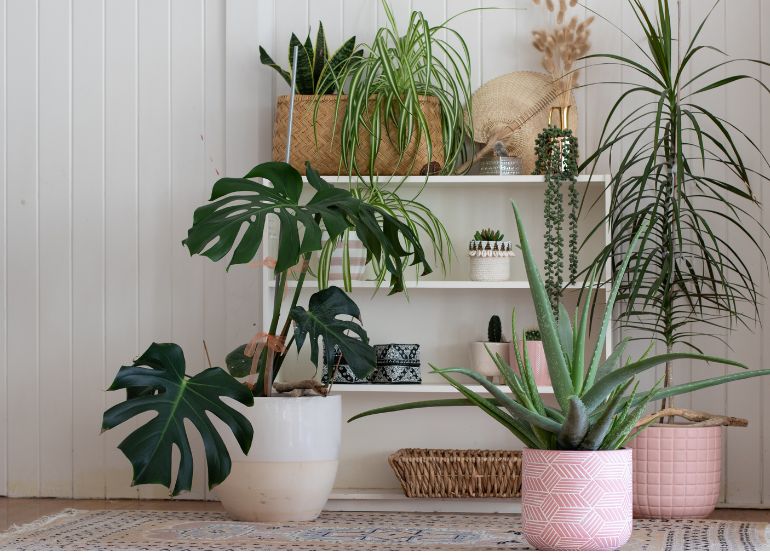
Breathe Easier: Transform Your Indoor Spaces with the Power of Plants
Did you know the air inside your home may contain higher concentrations of certain pollutants than the air outdoors? According to environmental studies, indoor environments can contain airborne contaminants that may contribute to symptoms such as headaches, dizziness, throat irritation, and general discomfort. While no single solution can eliminate indoor air quality concerns, proper ventilation, routine cleaning, and thoughtfully selected houseplants may help create a healthier and more enjoyable living environment.
As Americans continue spending more time at home, creating comfortable, functional, and welcoming indoor spaces has become increasingly important. Whether you're already a homeowner or preparing to buy a home in Tucson or Southern Arizona, adding indoor plants can provide both aesthetic appeal and potential environmental benefits.
Before bringing home new plants, it's important to consider your lifestyle, available space, and growing conditions.
Ask yourself:
Selecting plants that fit your home's environment and your maintenance preferences can help ensure long-term success.
Living in a smaller home, condo, or apartment doesn't mean you have to give up the benefits of indoor gardening. With a little creativity, plants can fit into almost any living space.
Chinese Evergreens are known for their durability and ability to adapt to a variety of indoor conditions. They're a great option for beginner plant owners.
True to its name, the Cast Iron Plant is incredibly resilient and requires minimal maintenance, making it ideal for busy homeowners.
Compact and attractive, succulents work well in smaller spaces. Most varieties prefer bright, indirect sunlight and infrequent watering.
Available in many sizes and styles, Dracaena plants are popular for their versatility and easy-care nature.
Philodendrons are known for their lush foliage and adaptability to indoor environments.
English Ivy is a popular trailing plant that works well in hanging baskets and decorative containers.
Pothos remains one of the easiest indoor plants to maintain and is often recommended for first-time plant owners.
Even the easiest houseplants require some attention to stay healthy.
Follow these simple guidelines:
Consistent care can help your indoor plants thrive and maintain their appearance year-round.
Many homeowners choose indoor plants because of their potential air-quality benefits. While plants should not be viewed as a replacement for proper ventilation and air filtration systems, they may contribute to a healthier indoor environment.
Some common indoor pollutants include:
Exposure may contribute to headaches, dizziness, nausea, and irritation.
May cause irritation of the nose, throat, and eyes.
Exposure can contribute to headaches, dizziness, confusion, and eye irritation.
May cause irritation of the mouth and throat, along with headaches and dizziness.
Several houseplants are frequently recognized for their air-purifying potential:
Adding greenery throughout your home can also create a more relaxing and visually appealing living environment.
Indoor gardening isn't limited to decorative plants. Many homeowners successfully grow herbs and vegetables indoors throughout the year.
The USDA Plant Hardiness Zone Map can help determine which plants are best suited for your climate. In Tucson and Southern Arizona, many gardeners start plants indoors before transitioning them outdoors when temperatures are favorable.
Popular edible plants for indoor gardening include:
Apartment residents can maximize growing space with window boxes, countertop gardens, and balcony planters. One major advantage of indoor gardening is the opportunity to enjoy fresh produce year-round.
Whether you're creating a peaceful indoor garden, planning a backyard oasis, or simply looking for a home with more natural light, finding the right property can help support your lifestyle goals.
If you're preparing to purchase a home in Tucson or Southern Arizona, explore our Home Buying Resources and learn more about the various Mortgage Loan Programs available. First-time buyers may also benefit from reviewing our Down Payment Assistance Programs and exploring the Areas We Serve throughout Southern Arizona.
Certain plants have been studied for their ability to absorb some airborne compounds. However, plants work best when combined with proper ventilation, regular cleaning, and quality air filtration systems.
Pothos, Chinese Evergreen, Cast Iron Plant, and Philodendron are commonly recommended because they require relatively little maintenance.
Yes. Many vegetables and greens can be successfully grown indoors, especially when provided with adequate light and proper containers.
Consider available sunlight, maintenance requirements, space limitations, and whether pets or children will have access to the plants.
Whether you're purchasing your first home, moving into a larger property, or exploring financing options, The Polder Group at CrossCountry Mortgage is here to help. Our team is committed to helping homebuyers throughout Tucson and Southern Arizona navigate the mortgage process with confidence.
Contact us today to discuss your homeownership goals, explore financing options, and learn about mortgage solutions that may fit your needs and qualifications.
This article is for educational purposes only and does not constitute financial or mortgage advice. Loan programs, rates, and guidelines may change at any time. All loans are subject to credit approval and underwriting. For guidance tailored to your situation, consult a licensed mortgage professional.
By Derrick Polder • NMLS #207630 • Published: August 20, 2026 • Updated: August 31, 2026
Read article
By Derrick Polder • NMLS #207630 • Published: August 3, 2026 • Updated: August 31, 2026
Read article
By Derrick Polder • NMLS #207630 • Published: July 13, 2026 • Updated: July 22, 2026
Read article
By Derrick Polder • NMLS #207630 • Published: July 13, 2026 • Updated: July 22, 2026
Read article






Different levels of commitment - all start with a conversation.

A quick first step to review loan options and next steps with a local expert.
Ready to move forward now? Secure application - Credit review required
Not ready for a form? Ask a question and a local expert will follow up.