



How to Sell Your House in Tucson: A Step-by-Step Guide for Homeowners
Aug 20, 2026By Derrick Polder • NMLS #207630 • Published: August 20, 2026 • Updated: August 31, 2026
Read article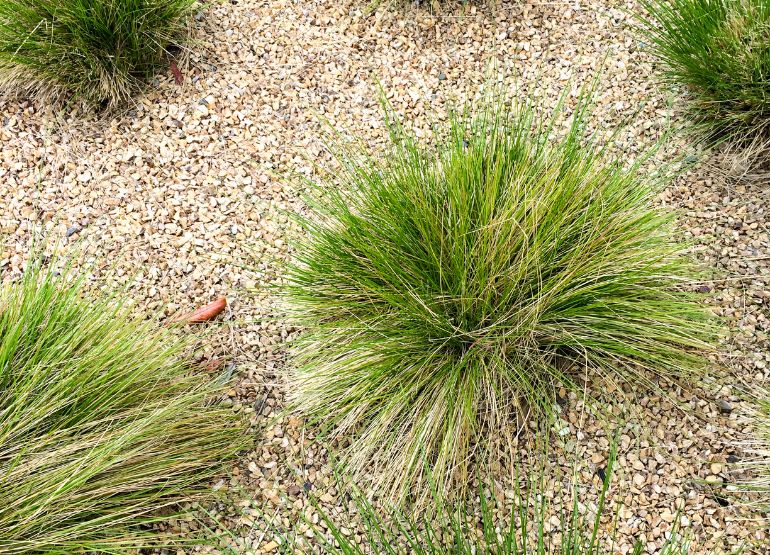
Embrace Water-Wise Plants and Reduce Lawn Maintenance for a Greener Future
With rising temperatures and ongoing water conservation concerns, many homeowners are looking for ways to maintain beautiful outdoor spaces without excessive watering. According to experts, the average U.S. household uses approximately 92 gallons of water outdoors each day, with much of that dedicated to lawn and garden maintenance.
For homeowners in Tucson and Southern Arizona, drought-tolerant landscaping offers an attractive, environmentally responsible solution that can reduce water usage, lower maintenance costs, and enhance curb appeal.
Drought-tolerant landscaping, often referred to as xeriscaping, focuses on using plants and design elements that require minimal supplemental watering once established. These landscapes are designed to thrive in arid climates while remaining visually appealing year-round.
Many drought-tolerant plants have adapted to dry conditions through features such as:
One of the most effective approaches is incorporating native Arizona plants that are already adapted to local weather patterns. Native landscaping not only conserves water but also supports local pollinators, birds, and beneficial insects, helping increase biodiversity throughout your community.
When selecting plants for your landscape, it's important to choose species that are appropriate for your climate zone and soil conditions. Native and drought-resistant plants often provide the best long-term results because they naturally require less maintenance and irrigation.
Popular water-wise options include:
Before purchasing new plants, take a look around your property. You may already have native species that can be incorporated into a larger drought-tolerant landscape design.
Creating a water-wise landscape starts with thoughtful planning. A well-designed yard can reflect your personality and lifestyle while helping reduce ongoing maintenance and water expenses.
Healthy soil is the foundation of a successful landscape. Incorporating organic materials such as compost, manure, or peat moss can improve soil structure and water retention.
Benefits include:
Landscape fabric may also help reduce weed growth and prevent erosion in certain areas.
Bare soil can become compacted, making it difficult for plants to establish healthy root systems. Covering exposed areas helps conserve moisture and improve appearance.
Options include:
In Southern Arizona, rock and stone are often preferred over traditional organic mulch because they complement desert landscapes and require less maintenance.
One of the biggest misconceptions about drought-tolerant landscaping is that it lacks visual appeal. In reality, thoughtful design can create a stunning outdoor environment.
Consider:
These features help create a more natural, inviting landscape.
Rather than planting in traditional rows, group plants with similar watering requirements together. This approach improves irrigation efficiency while creating visually appealing focal points throughout your yard.
Adding boulders, decorative stones, or desert-inspired accents can further enhance the overall design.
Rainwater harvesting can provide an additional source of irrigation for your landscape.
Installing rain barrels beneath gutter downspouts allows homeowners to collect water during monsoon season and use it later for plants and gardens. Before installation, be sure to review local regulations and placement considerations.
Beyond drought-tolerant landscaping, homeowners can take several additional steps to reduce water consumption and maintenance requirements.
If certain sections of your lawn consistently struggle due to excessive shade, poor drainage, rocky soil, or heavy foot traffic, consider replacing those areas with alternative landscaping features.
Flower beds can add beauty and character while reducing the amount of grass that requires watering and mowing.
For best results:
Hardscaping can dramatically reduce water usage while increasing outdoor living space and property value.
Popular options include:
These features can help create a functional and attractive backyard while minimizing maintenance.
Groundcovers provide an excellent alternative to traditional turf grass. Many drought-tolerant varieties require little watering and create a cohesive look throughout the landscape.
Select groundcovers based on:
While landscaping decisions should primarily focus on functionality and lifestyle, thoughtful outdoor improvements can enhance curb appeal and potentially make a property more attractive to future buyers.
For homeowners considering larger renovations or outdoor improvement projects, understanding available financing options can be helpful. The Polder Group offers guidance on various mortgage solutions, including Renovation Loans and Cash-Out Refinance options that may help qualified homeowners finance eligible improvements.
If you're planning to buy a home in Southern Arizona, exploring the available Loan Programs and obtaining a pre-approval through the Buy a Home process can help you better understand your financing options.
Xeriscaping is a landscaping method specifically designed to reduce or eliminate the need for supplemental irrigation. Drought-tolerant landscaping uses many of the same principles and often incorporates native, low-water-use plants.
Costs vary depending on the size of the project and materials selected. While installation may require an upfront investment, many homeowners experience long-term savings through reduced water usage and maintenance costs.
Most drought-tolerant plants require regular watering while becoming established. Once mature, they typically need significantly less irrigation than traditional lawns and gardens.
In many cases, yes. Native plants have adapted to local conditions and generally require less water, fertilizer, and maintenance than non-native species.
Drought-tolerant landscaping allows homeowners to conserve water, reduce maintenance, and create an attractive outdoor environment that complements the natural beauty of Southern Arizona.
Whether you're improving your current home or preparing to purchase one, making smart investments in your property can provide long-term value and enjoyment.
If you have questions about buying a home, refinancing, renovation financing, or exploring mortgage options in Tucson and Southern Arizona, contact The Polder Group at CrossCountry Mortgage. Our team is here to help you navigate your financing options and achieve your homeownership goals.
This article is for educational purposes only and does not constitute financial or mortgage advice. Loan programs, rates, and guidelines may change at any time. All loans are subject to credit approval and underwriting. For guidance tailored to your situation, consult a licensed mortgage professional.
By Derrick Polder • NMLS #207630 • Published: August 20, 2026 • Updated: August 31, 2026
Read article
By Derrick Polder • NMLS #207630 • Published: August 3, 2026 • Updated: August 31, 2026
Read article
By Derrick Polder • NMLS #207630 • Published: July 13, 2026 • Updated: July 22, 2026
Read article
By Derrick Polder • NMLS #207630 • Published: July 13, 2026 • Updated: July 22, 2026
Read article






Different levels of commitment - all start with a conversation.

A quick first step to review loan options and next steps with a local expert.
Ready to move forward now? Secure application - Credit review required
Not ready for a form? Ask a question and a local expert will follow up.