



How to Sell Your House in Tucson: A Step-by-Step Guide for Homeowners
Aug 20, 2026By Derrick Polder • NMLS #207630 • Published: August 20, 2026 • Updated: August 31, 2026
Read article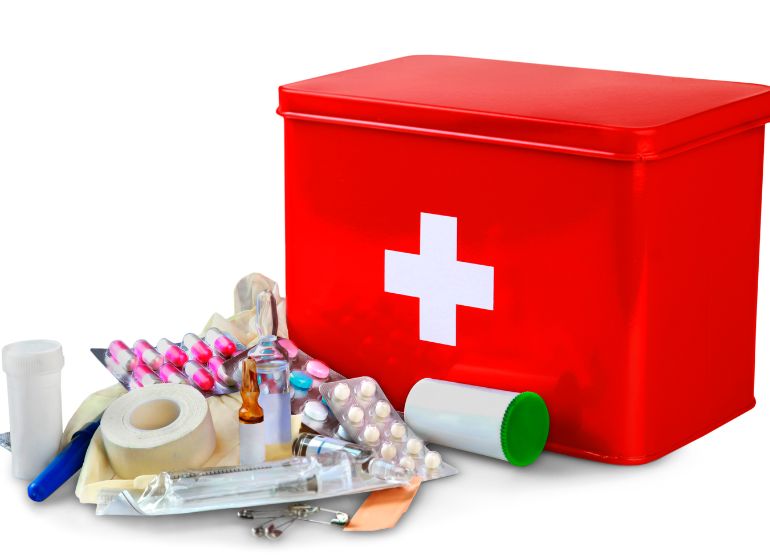
Safeguarding Your Summer Adventures
Summer is the perfect time to enjoy vacations, backyard barbecues, hiking, swimming, and outdoor adventures with family and friends. While the season brings plenty of opportunities for fun, it also increases the risk of common injuries, heat-related illnesses, insect bites, and other minor emergencies.
Whether you're spending the day at home or exploring Southern Arizona, having a well-stocked first-aid kit and knowing how to respond to common injuries can help keep your loved ones safe.
First-aid kits come in many sizes and styles, but every household and vehicle should have one stocked with basic emergency supplies. Consider customizing your kit with prescription medications, emergency contact information, and any items recommended by your healthcare provider.
Your summer first-aid kit should include:
Promptly clean cuts and scrapes to help reduce the risk of infection.
Seek medical care for deep wounds, excessive bleeding, or signs of infection.
Southern Arizona summers can bring dangerously high temperatures, making heat exhaustion a serious concern.
Common symptoms include:
Help prevent heat exhaustion by:
Ticks often attach in warm, hidden areas of the body.
If you discover a tick:
Removing a tick promptly may reduce the risk of disease transmission.
If stung by a bee:
Call 911 immediately if someone experiences difficulty breathing, widespread swelling, or other signs of a severe allergic reaction.
For most nosebleeds:
Seek medical attention if bleeding continues for more than 30 minutes or is accompanied by dizziness or lightheadedness.
If you suspect a broken bone:
Many minor head injuries improve with rest, but some symptoms require immediate medical evaluation.
Seek emergency care if someone experiences:
A little preparation today can make a big difference when unexpected situations arise. Keep first-aid kits in your home, vehicle, and travel gear, and check supplies regularly to replace expired or used items.
While protecting your family's health is important, preparing for life's other milestones is just as valuable. If you're planning to buy a home in Tucson or Southern Arizona, explore our Loan Process (https://www.thepoldergroup.com/loan-process) and helpful Homebuying Resources (https://www.thepoldergroup.com/buy) to learn what to expect. You can also use our Mortgage Calculators (https://www.thepoldergroup.com/calculators) to estimate your monthly payment before you begin your search.
How often should I replace first-aid kit supplies?
Check your kit at least twice a year and replace expired medications, sunscreen, insect repellent, batteries, and used supplies.
Should I keep a first-aid kit in my vehicle?
Yes. A vehicle emergency kit is especially useful during road trips, camping, hiking, or long summer drives.
When should I call 911?
Seek emergency assistance for severe allergic reactions, major injuries, suspected broken bones with significant trauma, heavy uncontrolled bleeding, or symptoms of a serious head injury.
Preparedness gives you peace of mind. By keeping a fully stocked first-aid kit and understanding how to respond to common summer injuries, you'll be better equipped to enjoy the season safely.
If you're also planning a move or considering purchasing a home in Tucson or Southern Arizona, The Polder Group at CrossCountry Mortgage is here to help. Whether you're buying your first home, refinancing, or exploring your mortgage options, our experienced team is ready to guide you every step of the way. Contact us today to get started.
This article is for educational purposes only and does not constitute financial or mortgage advice. Loan programs, rates, and guidelines may change at any time. All loans are subject to credit approval and underwriting. For guidance tailored to your situation, consult a licensed mortgage professional.
By Derrick Polder • NMLS #207630 • Published: August 20, 2026 • Updated: August 31, 2026
Read article
By Derrick Polder • NMLS #207630 • Published: August 3, 2026 • Updated: August 31, 2026
Read article
By Derrick Polder • NMLS #207630 • Published: July 13, 2026 • Updated: July 22, 2026
Read article
By Derrick Polder • NMLS #207630 • Published: July 13, 2026 • Updated: July 22, 2026
Read article






Different levels of commitment - all start with a conversation.

A quick first step to review loan options and next steps with a local expert.
Ready to move forward now? Secure application - Credit review required
Not ready for a form? Ask a question and a local expert will follow up.