



How to Sell Your House in Tucson: A Step-by-Step Guide for Homeowners
Aug 20, 2026By Derrick Polder • NMLS #207630 • Published: August 20, 2026 • Updated: August 31, 2026
Read article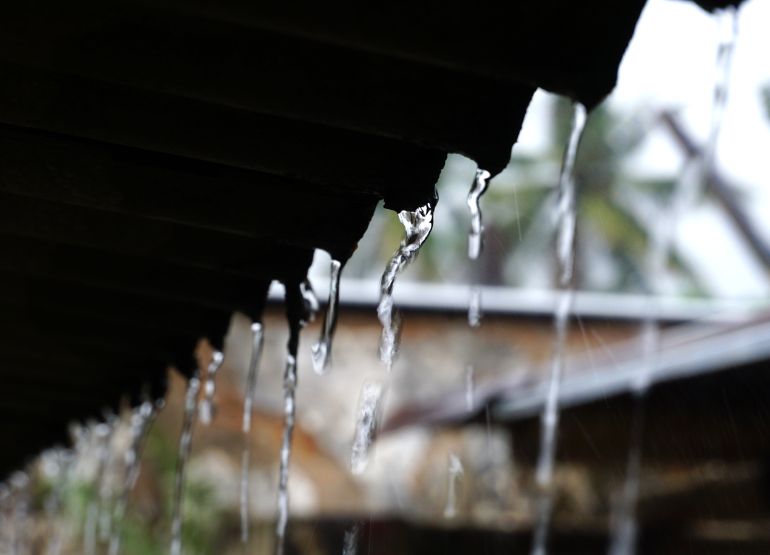
Safeguard your home from rainwater damage with these expert tips
Water damage is one of the most common and expensive issues homeowners face. In fact, it's estimated that water damage costs U.S. homeowners billions of dollars every year, with approximately 14,000 people experiencing a home water emergency each day.
Whether you're a longtime homeowner or recently purchased a home in Tucson or Southern Arizona, protecting your property from rainwater damage can help preserve your home's value and prevent costly repairs. While Arizona is known for its dry climate, seasonal monsoons can bring intense rainfall that puts homes at risk.
If you've ever wondered, "How can I prevent rainwater from entering my house?" these practical tips can help keep water where it belongs—outside.
Gutters are your home's first line of defense against rainwater. When leaves, pine needles, and other debris clog your gutters, water can overflow and run down exterior walls, potentially leading to foundation issues, siding damage, and interior leaks.
To reduce the risk:
Patios, walkways, door wells, and exterior drains should be kept clear of leaves, dirt, and other debris that can block drainage.
Additionally:
Your roof protects everything beneath it. Even a small damaged shingle or compromised flashing can allow water to enter your home.
Schedule a professional roof inspection every few years—or sooner after severe storms—to identify:
Routine maintenance may help extend your roof's lifespan and reduce repair costs.
Windows and doors are common areas where moisture can enter.
Inspect for:
Replacing seals and applying fresh caulk or foam insulation can help keep water and drafts outside.
An average-sized roof can collect hundreds of gallons of rainwater from a single inch of rainfall.
Installing a rain barrel can:
Rain barrels are available in a variety of sizes and materials to fit your home's needs.
Downspouts should direct water several feet away from your home's foundation.
If water pools near your home:
This simple improvement may significantly reduce the risk of foundation moisture.
A swale is a shallow, landscaped channel that redirects rainwater to a safer drainage area, such as:
Swales are especially useful on sloped properties or yards where water naturally collects.
Small exterior drains are more likely to clog during heavy rains.
Larger drainage systems can help:
If excavation is required, consider working with a qualified contractor.
The ground surrounding your home should slope away from the foundation.
If water flows toward your house, correcting the grading with topsoil, landscaping, or drainage improvements can help prevent expensive foundation damage over time.
French drains use perforated piping surrounded by gravel to collect and redirect groundwater away from your home.
They're particularly beneficial for:
Before digging, always contact your local utility locator service to identify underground lines.
If your home has a basement or crawl space susceptible to water intrusion, a sump pump can help remove excess groundwater before it causes damage.
To keep it functioning properly:
Your home is one of your largest financial investments, and protecting it from rainwater damage can help preserve its value for years to come. Taking proactive maintenance steps today may help you avoid expensive repairs tomorrow.
Whether you're buying your first home or already own one, understanding how to maintain and protect your property is an important part of successful homeownership.
If you're preparing to purchase a home in Tucson or Southern Arizona, The Polder Group at CrossCountry Mortgage is here to help. Explore our Loan Process (https://www.thepoldergroup.com/loan-process), browse our Homebuyer Resources (https://www.thepoldergroup.com/buy), or visit our FAQs (https://www.thepoldergroup.com/faqs) to learn more.
How often should I clean my gutters?
Most homeowners should clean gutters at least twice a year. Homes surrounded by trees may require more frequent maintenance.
Do French drains work in Arizona?
Yes. French drains can be especially beneficial during Arizona's monsoon season by helping redirect heavy rainfall away from your home's foundation.
Can poor grading damage my foundation?
Yes. Improper grading may allow water to collect around the foundation, potentially leading to settling, cracks, and moisture intrusion over time.
What is the easiest way to reduce rainwater damage?
Routine maintenance—including cleaning gutters, inspecting your roof, extending downspouts, and sealing windows and doors—is one of the most effective ways to help protect your home.
This article is for educational purposes only and does not constitute financial or mortgage advice. Loan programs, rates, and guidelines may change at any time. All loans are subject to credit approval and underwriting. For guidance tailored to your situation, consult a licensed mortgage professional.
By Derrick Polder • NMLS #207630 • Published: August 20, 2026 • Updated: August 31, 2026
Read article
By Derrick Polder • NMLS #207630 • Published: August 3, 2026 • Updated: August 31, 2026
Read article
By Derrick Polder • NMLS #207630 • Published: July 13, 2026 • Updated: July 22, 2026
Read article
By Derrick Polder • NMLS #207630 • Published: July 13, 2026 • Updated: July 22, 2026
Read article






Different levels of commitment - all start with a conversation.

A quick first step to review loan options and next steps with a local expert.
Ready to move forward now? Secure application - Credit review required
Not ready for a form? Ask a question and a local expert will follow up.