



How to Sell Your House in Tucson: A Step-by-Step Guide for Homeowners
Aug 20, 2026By Derrick Polder • NMLS #207630 • Published: August 20, 2026 • Updated: August 31, 2026
Read article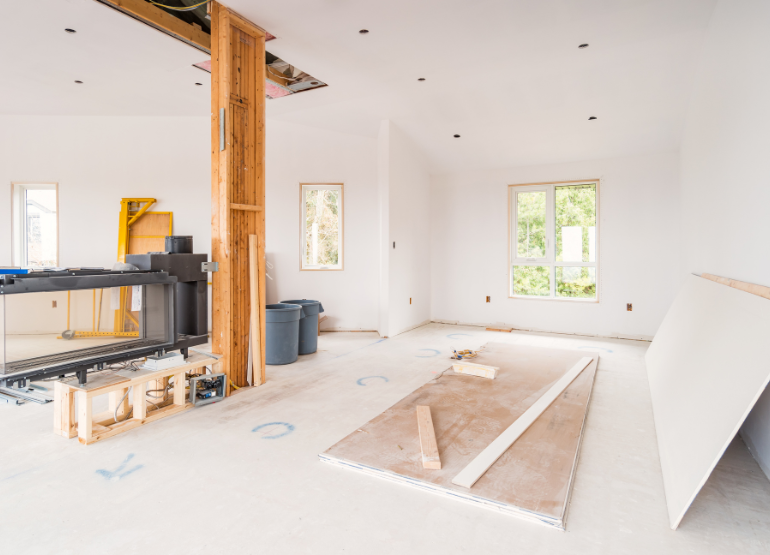
Navigating the current housing market: Insights on renovation costs in 2023
Many prospective homebuyers continue to face affordability challenges in today's housing market. As a result, many homeowners are choosing to stay put and improve their current homes rather than move.
Renovating your existing property can enhance comfort, improve functionality, and potentially increase resale value. However, higher construction costs and inflation have left many homeowners wondering: Will renovation costs go down anytime soon?
Here's what homeowners should know about renovation trends, costs, and financing options.
According to Harvard University's Joint Center for Housing Studies and its Leading Indicator of Remodeling Activity (LIRA) report, renovation spending is expected to cool after reaching elevated levels during the pandemic-era remodeling boom.
While remodeling activity remains strong, growth has slowed as homeowners and contractors adjust to changing economic conditions, higher borrowing costs, and ongoing supply challenges.
For homeowners considering renovations, this means demand remains healthy, but project costs may continue to be influenced by factors beyond their control.
The COVID-19 pandemic significantly increased home renovation activity across the country. With people spending more time at home and travel budgets often redirected toward home improvements, remodeling projects surged.
Research from Porch.com found that approximately 75% of surveyed homeowners completed a renovation project during the pandemic.
Harvard University's Remodeling Futures Program noted that remodeling and repair spending grew substantially during 2020 and 2021 as homeowners adapted their living spaces to accommodate remote work, online learning, and changing lifestyle needs.
Although pandemic restrictions have eased, many homeowners continue investing in renovations due to limited housing inventory and elevated home prices.
Several factors continue to influence renovation pricing:
Building materials remain more expensive than pre-pandemic levels. While some commodities have stabilized, inflation continues to impact the cost of many products used in home construction and remodeling.
The construction industry continues to face a shortage of skilled workers. According to industry estimates, hundreds of thousands of additional workers are needed to meet current demand. Labor shortages can contribute to longer project timelines and higher labor costs.
Although supply chains have improved compared to previous years, delays and shortages still affect certain products, fixtures, and specialty materials. These disruptions can increase project costs and extend completion schedules.
Rather than taking on large-scale additions or major structural projects, many homeowners are focusing on smaller renovations that improve livability and boost resale value.
Popular projects include:
Additionally, federal incentives for energy-efficient home improvements have encouraged homeowners to consider upgrades such as energy-efficient windows, doors, insulation, and solar energy systems.
While no one can predict future construction costs with certainty, experts generally do not expect renovation prices to fall dramatically in the near term.
Although slower housing market activity can sometimes reduce demand for materials and labor, ongoing inflation, workforce shortages, and supply constraints continue to support higher pricing levels.
Instead of waiting for costs to drop significantly, homeowners may benefit from focusing on projects that offer strong value and fit comfortably within their budget.
Smaller projects can often provide meaningful improvements without requiring a major investment.
Consider upgrades such as:
These projects can improve daily living while potentially increasing future marketability.
Before beginning any renovation, develop a clear spending plan and discuss budget expectations with your contractor.
Be sure to include a contingency reserve for unexpected expenses, which are common in many remodeling projects.
Not every homeowner wants to pay for renovations entirely from savings. Depending on your financial goals and eligibility, financing options may help make renovations more manageable.
A cash-out refinance may allow qualified homeowners to access a portion of their home's equity and use those funds for renovations. Learn more about available Cash-Out Refinance options here:
https://www.thepoldergroup.com/cash-out
If you're considering refinancing for home improvements, you can also explore mortgage refinancing solutions:
https://www.thepoldergroup.com/mortgage-refinance-tucson-az
Speaking with a mortgage professional can help you determine which financing option best aligns with your goals.
In many cases, renovating can be more affordable than purchasing a new home, especially when housing inventory is limited and home prices remain elevated. The answer depends on the scope of work, local market conditions, and your long-term plans.
Kitchen remodels, bathroom updates, energy-efficient improvements, and curb appeal enhancements are often among the projects that provide the strongest return on investment.
While some costs may fluctuate, most experts do not expect dramatic decreases in renovation pricing. If a project is necessary or provides meaningful value, it may make sense to move forward after careful budgeting and planning.
Renovation costs remain elevated compared to historical norms, and significant price reductions are not widely expected in the near future. However, that doesn't mean homeowners should put off important improvements.
By focusing on strategic projects, maintaining a realistic budget, and exploring financing solutions when appropriate, homeowners can continue investing in their properties while positioning themselves for future value.
If you're considering renovations and want to explore whether a refinance or cash-out refinance could help fund your project, The Polder Group at CrossCountry Mortgage is here to help. Contact our team to discuss your options, review available loan programs, and determine the financing solution that best fits your goals.
This article is for educational purposes only and does not constitute financial or mortgage advice. Loan programs, rates, and guidelines may change at any time. All loans are subject to credit approval and underwriting. For guidance tailored to your situation, consult a licensed mortgage professional.
By Derrick Polder • NMLS #207630 • Published: August 20, 2026 • Updated: August 31, 2026
Read article
By Derrick Polder • NMLS #207630 • Published: August 3, 2026 • Updated: August 31, 2026
Read article
By Derrick Polder • NMLS #207630 • Published: July 13, 2026 • Updated: July 22, 2026
Read article
By Derrick Polder • NMLS #207630 • Published: July 13, 2026 • Updated: July 22, 2026
Read article






Different levels of commitment - all start with a conversation.

A quick first step to review loan options and next steps with a local expert.
Ready to move forward now? Secure application - Credit review required
Not ready for a form? Ask a question and a local expert will follow up.