



How to Sell Your House in Tucson: A Step-by-Step Guide for Homeowners
Aug 20, 2026By Derrick Polder • NMLS #207630 • Published: August 20, 2026 • Updated: August 31, 2026
Read article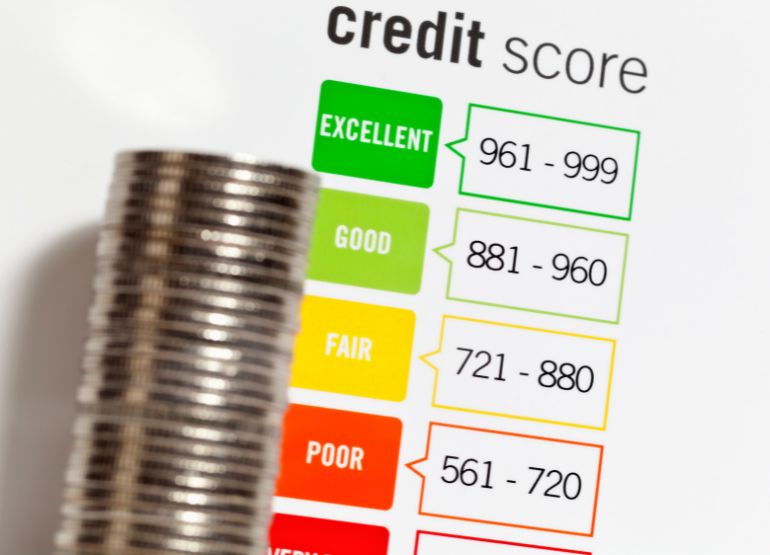
Unlocking Opportunities for Homeownership Despite Credit Challenges.
Life happens. Unexpected financial challenges, missed payments, medical bills, job changes, or even bankruptcy can impact your credit score. If you're wondering whether a lower credit score means you can't buy a home, the good news is that it doesn't necessarily prevent you from qualifying for a mortgage.
Many homebuyers in Tucson and throughout Southern Arizona are surprised to learn there are loan programs specifically designed to help borrowers with less-than-perfect credit.
One of the biggest misconceptions about home financing is that you need an excellent credit score to qualify for a mortgage.
While your credit score is an important factor in the loan approval process, it is only one part of your overall financial picture. Mortgage lenders also consider factors such as your income, employment history, debt-to-income ratio, assets, and down payment.
Depending on your qualifications, you may have access to several mortgage options even if your credit isn't perfect.
Several loan programs are designed to make homeownership more accessible.
Federal Housing Administration (FHA) loans are a popular choice for first-time homebuyers and borrowers with lower credit scores. These government-insured loans offer flexible qualifying guidelines and may require a down payment as low as 3.5%, depending on eligibility.
Learn more about FHA Loans:
https://www.thepoldergroup.com/fha
Eligible veterans, active-duty service members, and certain surviving spouses may qualify for a VA loan, which offers competitive financing options and may require no down payment for qualified borrowers.
Learn more:
https://www.thepoldergroup.com/va
For eligible rural and suburban properties, USDA loans may provide 100% financing for qualified buyers while offering flexible credit requirements.
Learn more:
https://www.thepoldergroup.com/usda
Some borrowers have unique financial circumstances that don't fit traditional lending guidelines. Depending on your situation, alternative financing solutions may also be available.
The best way to determine which loan program fits your needs is to speak with an experienced mortgage professional who can review your complete financial profile.
If you're working hard to improve your finances, saving for a large down payment may not be realistic.
Fortunately, some mortgage programs offer lower down payment requirements:
Depending on your eligibility, you may also qualify for Down Payment Assistance Programs that can help reduce your upfront costs.
Learn more:
https://www.thepoldergroup.com/down-payment-assistance
It's important to understand that loans with lower down payments often require Mortgage Insurance (MI).
Mortgage insurance protects the lender—not the borrower—in the event of loan default. It is commonly required on:
Mortgage insurance allows lenders to offer financing with lower down payment requirements, making homeownership more accessible for many buyers.
However, borrowers remain responsible for making their monthly mortgage payments. Missed payments can negatively affect your credit and could ultimately result in foreclosure.
If you've previously filed for bankruptcy, you may still qualify for a mortgage after meeting the required waiting period.
Waiting periods vary based on the type of bankruptcy, loan program, and your financial recovery. Speaking with a knowledgeable Mortgage Loan Officer can help you understand your available options and timeline.
If you're planning to purchase a home in the near future, improving your credit can increase your financing options and may help you qualify for more favorable loan terms.
Here are a few ways to strengthen your credit profile:
Credit utilization plays a significant role in your credit score. Whenever possible, keep your balances between 5% and 10% of your available credit.
The length of your credit history contributes to your credit score. Even if you don't frequently use an older account, keeping it open may benefit your overall credit profile.
Your payment history is one of the most important factors affecting your credit score. Setting up automatic payments or reminders can help you avoid missed payments.
Co-signing a loan makes you equally responsible for the debt. If the primary borrower misses payments, your credit could also be negatively impacted.
There's no one-size-fits-all answer when it comes to mortgage qualification.
Whether you're rebuilding your credit, recovering from financial hardship, or just beginning your homeownership journey, understanding your options is the first step.
At The Polder Group at CrossCountry Mortgage, we're committed to helping homebuyers throughout Tucson and Southern Arizona explore financing solutions that fit their individual goals. We'll review your financial situation, explain your available loan options, and help you create a plan toward homeownership.
If you're ready to learn what mortgage programs you may qualify for, contact The Polder Group today for personalized guidance and begin your path toward owning a home.
Possibly. Some government-backed loan programs, including FHA, VA, and USDA loans, may have more flexible credit requirements than conventional loans. Eligibility depends on several qualifying factors.
Not necessarily. Your income, employment, debt-to-income ratio, assets, and overall financial profile are also considered during the mortgage approval process.
Yes. FHA loans generally require mortgage insurance premiums, regardless of the down payment amount.
Improving your credit, reducing outstanding debt, maintaining stable employment, and saving for closing costs can all strengthen your mortgage application.
This article is provided for educational purposes only and should not be considered financial, tax, or legal advice. Loan approval, interest rates, and program eligibility depend on qualifying factors. Maximum loan amount restrictions may apply based on county and applicable lending guidelines.
This article is for educational purposes only and does not constitute financial or mortgage advice. Loan programs, rates, and guidelines may change at any time. All loans are subject to credit approval and underwriting. For guidance tailored to your situation, consult a licensed mortgage professional.
By Derrick Polder • NMLS #207630 • Published: August 20, 2026 • Updated: August 31, 2026
Read article
By Derrick Polder • NMLS #207630 • Published: August 3, 2026 • Updated: August 31, 2026
Read article
By Derrick Polder • NMLS #207630 • Published: July 13, 2026 • Updated: July 22, 2026
Read article
By Derrick Polder • NMLS #207630 • Published: July 13, 2026 • Updated: July 22, 2026
Read article






Different levels of commitment - all start with a conversation.

A quick first step to review loan options and next steps with a local expert.
Ready to move forward now? Secure application - Credit review required
Not ready for a form? Ask a question and a local expert will follow up.