



How to Sell Your House in Tucson: A Step-by-Step Guide for Homeowners
Aug 20, 2026By Derrick Polder • NMLS #207630 • Published: August 20, 2026 • Updated: August 31, 2026
Read article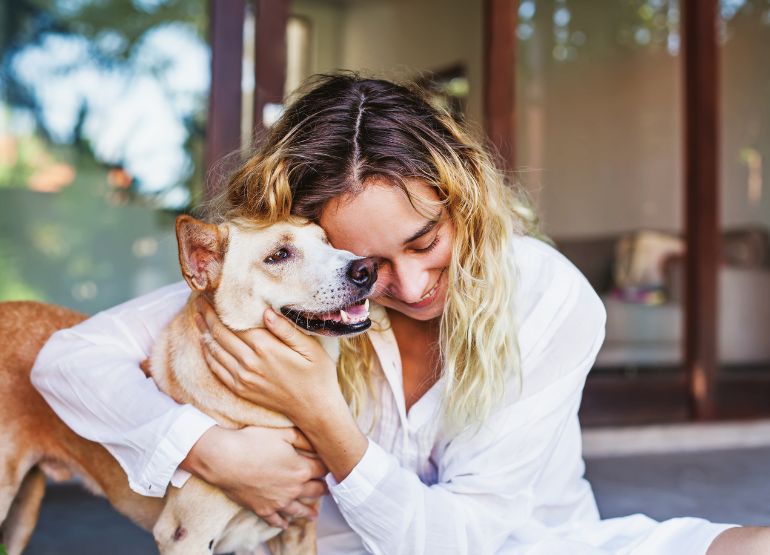
Protect your pets from seasonal hazards and ensure a joyful springtime with these expert tips.
Spring in Tucson and Southern Arizona brings warmer temperatures, blooming landscapes, and more opportunities to enjoy the outdoors with your pets. Whether you're taking your dog for a walk around the neighborhood or letting your cat enjoy a secure outdoor space, spring also introduces seasonal hazards that every pet owner should understand.
From allergies and toxic plants to rising temperatures and spring cleaning chemicals, taking a few precautions can help keep your furry family members safe and healthy all season long.
Just like people, pets can suffer from seasonal allergies caused by pollen, grass, weeds, and other environmental allergens. While most allergy symptoms can be managed, untreated allergies may lead to skin infections, chronic discomfort, and other health concerns.
Common signs of pet allergies include:
Although seasonal allergies cannot be cured, there are several ways to reduce your pet's exposure to allergens:
If allergy symptoms persist or worsen, consult your veterinarian promptly. Persistent scratching and irritation can lead to infections and additional health issues.
Spring gardens can be beautiful, but many common plants are toxic to dogs and cats. Before landscaping or decorating your yard, be aware of the following potentially dangerous plants:
Many bulbs are especially dangerous when ingested. Fertilizers, pesticides, and weed-control products can also pose risks to pets.
When maintaining your yard, choose pet-friendly landscaping products whenever possible and supervise pets around newly planted areas.
Arizona temperatures can rise quickly during spring, especially in Southern Arizona. Even before summer arrives, hot pavement and dehydration can become serious concerns.
Use the "five-second pavement test" by placing the back of your hand on the ground. If it's too hot for your hand, it's too hot for your pet's paws.
Additional warm-weather safety tips include:
Most importantly, never leave a pet unattended in a parked vehicle. Interior temperatures can rise dangerously within minutes, even with windows cracked.
Spring often means more outdoor adventures, longer walks, and trips to parks. Before heading out, make sure your pet has:
These simple precautions can significantly improve the chances of being reunited if your pet becomes lost.
Pets that have been less active during cooler months may need time to rebuild stamina.
To avoid injury:
A slow return to regular activity can help prevent strains, joint issues, and other exercise-related injuries.
Many Easter decorations and treats can be dangerous for pets.
Keep the following out of reach:
Xylitol is especially dangerous for dogs and can cause severe health complications, including liver failure and seizures.
Spring cleaning often introduces chemicals that can be harmful to pets.
Common household products that may be toxic include:
Whenever possible, choose pet-safe cleaning alternatives. Products made with ingredients such as vinegar and baking soda can provide safer cleaning options for many household tasks.
If your pet ingests or comes into contact with a potentially toxic substance, contact your veterinarian or the Pet Poison Helpline immediately.
Spring is one of the most popular seasons for home improvement projects. If you're planning updates around your home, remember that pets can easily encounter hazards such as:
Creating a secure, pet-friendly area during renovations can help prevent accidents and injuries.
If you're considering larger home upgrades this season, you may also want to explore renovation financing options available through our Renovation Loan Programs.
Many pets enjoy car rides, but safety should always come first.
Avoid allowing pets to:
Flying debris, insects, and sudden stops can cause serious injuries.
For safer travel:
Spring is a wonderful time to enjoy Arizona's beautiful weather with your four-legged family members. By staying aware of seasonal hazards, practicing preventive care, and creating a safe environment both indoors and outdoors, you can help your pets stay healthy and active throughout the season.
Yes. Dogs can develop allergies to pollen, grass, weeds, and other environmental allergens commonly found throughout Arizona during spring.
Common toxic plants include lilies, tulips, daffodils, hyacinths, azaleas, rhododendrons, oleander, and sago palms.
If pavement is too hot to comfortably touch for five seconds, it may be too hot for your dog's paws. Early morning and evening walks are generally safer during warmer months.
Yes. Microchips provide a permanent form of identification and greatly improve the chances of recovering a lost pet.
Spring is also a popular season for home renovations, upgrades, and outdoor projects. If you're considering improvements that could increase your home's comfort, value, or functionality, The Polder Group at CrossCountry Mortgage can help you explore financing options that may fit your goals.
Whether you're purchasing a home, refinancing, or exploring renovation financing, visit our Loan Programs page or Contact Us to speak with a local mortgage professional serving Tucson and Southern Arizona.
This article is for educational purposes only and does not constitute financial or mortgage advice. Loan programs, rates, and guidelines may change at any time. All loans are subject to credit approval and underwriting. For guidance tailored to your situation, consult a licensed mortgage professional.
By Derrick Polder • NMLS #207630 • Published: August 20, 2026 • Updated: August 31, 2026
Read article
By Derrick Polder • NMLS #207630 • Published: August 3, 2026 • Updated: August 31, 2026
Read article
By Derrick Polder • NMLS #207630 • Published: July 13, 2026 • Updated: July 22, 2026
Read article
By Derrick Polder • NMLS #207630 • Published: July 13, 2026 • Updated: July 22, 2026
Read article






Different levels of commitment - all start with a conversation.

A quick first step to review loan options and next steps with a local expert.
Ready to move forward now? Secure application - Credit review required
Not ready for a form? Ask a question and a local expert will follow up.