



How to Sell Your House in Tucson: A Step-by-Step Guide for Homeowners
Aug 20, 2026By Derrick Polder • NMLS #207630 • Published: August 20, 2026 • Updated: August 31, 2026
Read article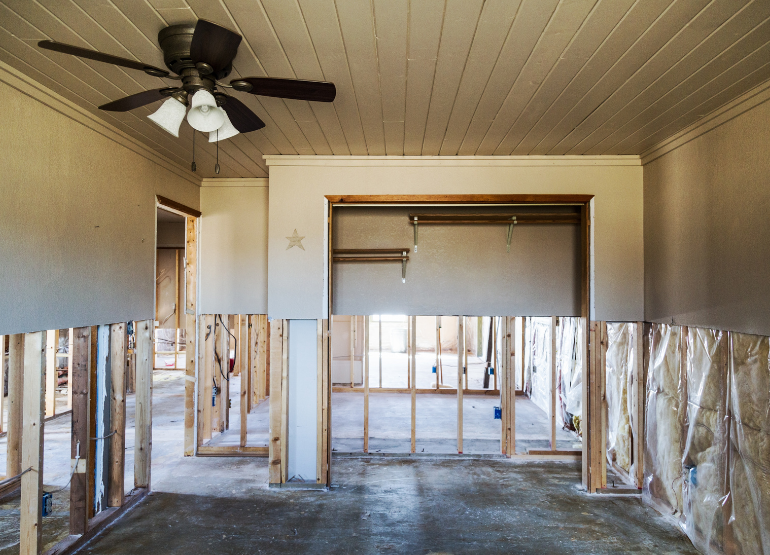
With Crosscountry Mortgage, turn unpredictability into preparedness. Your safety, our commitment.
Unexpected household emergencies can happen at any time. Whether it's a water leak, kitchen fire, power outage, or severe weather event, being prepared can help reduce damage, protect your family, and provide valuable peace of mind.
While no homeowner can predict when an emergency will occur, taking proactive steps today can make a significant difference when disaster strikes. From maintaining emergency supplies to understanding how to respond to common household emergencies, preparation is one of the best investments you can make in your home.
The types of emergencies you may face often depend on where you live. Homeowners in Southern Arizona may experience extreme heat, monsoon storms, flash flooding, power outages, or wildfire-related concerns. However, common household emergencies such as plumbing leaks, electrical outages, and kitchen fires can affect anyone.
Experts recommend maintaining at least a 72-hour emergency supply kit. In situations where sheltering in place may be necessary, the American Red Cross recommends having enough supplies for up to two weeks.
Your emergency kit should include:
Having these essentials readily available can help your family stay safe and comfortable during an emergency.
An emergency kit is only effective if it is accessible and well-maintained. Proper storage protects your supplies from heat, moisture, and pests while ensuring they're ready when needed.
Consider the most likely emergencies in your area, such as flash floods, severe storms, extended power outages, or extreme heat. Customize your kit accordingly.
Store supplies in durable plastic containers, backpacks, or emergency totes that can be quickly moved if evacuation becomes necessary.
Select a cool, dry location such as a hallway closet, spare room, or interior storage area. Avoid attics or locations that are difficult to access during an emergency.
Check expiration dates on food, water, batteries, medications, and first aid supplies. Replace items as needed.
Keep copies of insurance policies, emergency contacts, identification documents, and medical information in a waterproof folder.
Water damage can quickly become costly if not addressed promptly. In addition to damaging flooring and walls, excess moisture can lead to mold growth and potential structural issues.
If you discover a water leak:
Locate your home's main water shutoff valve and stop the water flow immediately.
Use towels, mops, or a wet vacuum to absorb excess water and prevent further damage.
Use fans, dehumidifiers, and open windows when possible to speed up drying.
If you can identify the source of the leak, use clamps, rubber patches, or plumbing repair tape as a temporary fix until a licensed plumber can make permanent repairs.
Quick action can significantly reduce repair costs and help protect your home's value.
Cooking-related incidents remain one of the most common causes of household fires. Knowing how to respond safely can prevent a small fire from becoming a major emergency.
Water can cause burning grease to splatter and spread the fire rapidly.
Instead, carefully smother the fire if it is safe to do so.
If the fire grows or cannot be controlled immediately, evacuate everyone from the home and call 911.
Aim at the base of the fire, not the flames themselves.
Regularly checking smoke detectors and replacing expired fire extinguishers can help improve household safety.
Power outages can disrupt daily life and create safety concerns, especially during extreme weather.
Disconnect electronics and appliances to help prevent damage from power surges when electricity is restored.
A refrigerator can typically keep food cold for about four hours, while a full freezer may maintain safe temperatures for up to 48 hours.
Discard any perishable food that has remained above 40°F for two hours or more.
These detectors continue functioning during power outages and help protect your family.
If medications require refrigeration, discuss emergency storage recommendations with your healthcare provider.
If using a generator, always operate it outdoors and at least 20 feet away from windows, doors, and vents to prevent carbon monoxide exposure.
Your home is one of your largest investments. Taking steps to prepare for emergencies can help reduce repair costs, minimize disruptions, and protect your family's well-being.
Whether you're a first-time homebuyer or a longtime homeowner, understanding how to respond to common household emergencies is an important part of responsible homeownership. If you're considering purchasing a home, reviewing resources such as our Home Buying Guide, Loan Process, and FAQs can help you feel more confident throughout your homeownership journey.
A general recommendation is one gallon of water per person per day for at least three days, though two weeks of supplies may be advisable for extended emergencies.
Review and update your emergency supplies at least twice per year, replacing expired food, water, batteries, and medications.
Choose a cool, dry, easily accessible location such as a hallway closet or interior storage room.
Shut off the main water supply immediately and begin removing standing water to minimize damage.
Whether you're preparing to purchase your first home, refinance your current mortgage, or explore loan options in Tucson and Southern Arizona, The Polder Group at CrossCountry Mortgage is here to help. Contact our team for personalized mortgage guidance and answers to your home financing questions.
This article is for educational purposes only and does not constitute financial or mortgage advice. Loan programs, rates, and guidelines may change at any time. All loans are subject to credit approval and underwriting. For guidance tailored to your situation, consult a licensed mortgage professional.
By Derrick Polder • NMLS #207630 • Published: August 20, 2026 • Updated: August 31, 2026
Read article
By Derrick Polder • NMLS #207630 • Published: August 3, 2026 • Updated: August 31, 2026
Read article
By Derrick Polder • NMLS #207630 • Published: July 13, 2026 • Updated: July 22, 2026
Read article
By Derrick Polder • NMLS #207630 • Published: July 13, 2026 • Updated: July 22, 2026
Read article






Different levels of commitment - all start with a conversation.

A quick first step to review loan options and next steps with a local expert.
Ready to move forward now? Secure application - Credit review required
Not ready for a form? Ask a question and a local expert will follow up.