


How to Sell Your House in Tucson: A Step-by-Step Guide for Homeowners
Aug 20, 2026By Derrick Polder • NMLS #207630 • Published: August 20, 2026 • Updated: August 31, 2026
Read article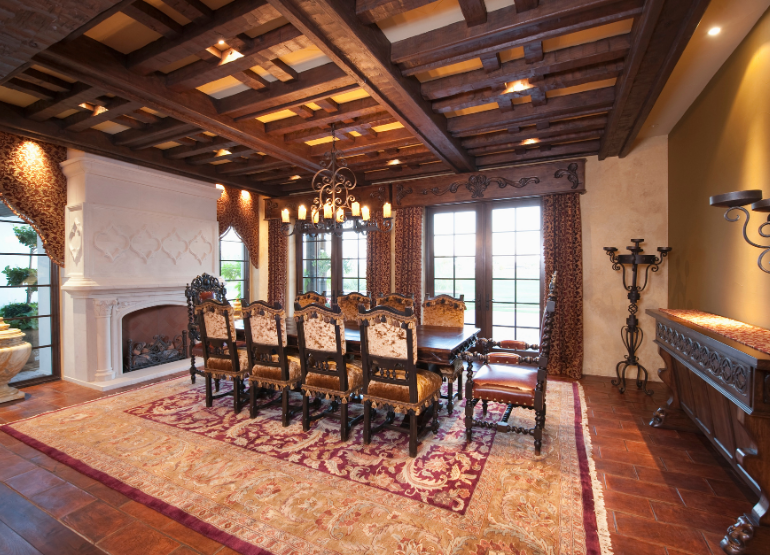
"Preserving the Past, Embracing the Future: Unveiling the Conditions for Updating Historic Homes
Owning a historic home offers a unique opportunity to become the steward of a piece of American history. Whether you're considering purchasing a historic property or already own one, these homes often provide architectural charm, cultural significance, and character that newer homes simply can't replicate.
However, renovating a historic home comes with special considerations. Before making updates, it's important to understand what improvements may be permitted, what financing options are available, and what incentives could help offset renovation costs.
There are two primary ways to determine whether a property has historic status.
The National Register of Historic Places recognizes more than 90,000 properties for their historical significance. Established under the National Historic Preservation Act of 1966 and maintained by the National Park Service, the register includes properties noted for their architecture, archaeology, art, culture, and historical importance.
In most cases, a property must be at least 50 years old to qualify for inclusion.
Not every historically significant home is listed on the National Register. Many cities, towns, and counties maintain their own historic districts and preservation standards.
Local zoning ordinances and preservation boards often determine what changes can be made to a property. Before purchasing a historic home in Tucson or Southern Arizona, check with local municipal offices to understand any renovation restrictions that may apply.
While federal designation alone does not prevent homeowners from making changes to a property, local regulations often impose restrictions designed to preserve a home's historic character.
Depending on the property's designation, you may encounter limitations involving:
For example, adding square footage to a historic home may be difficult or prohibited in some districts. However, repairs and upgrades that improve safety, functionality, or preservation while maintaining the home's historic integrity are often allowed.
Homeowners receiving funding through preservation programs may be required to follow the Secretary of the Interior's Standards for the Treatment of Historic Properties. These standards generally fall into four categories:
Preservation focuses on maintaining and repairing existing historic materials while retaining the property's current form and character.
Rehabilitation allows alterations or additions necessary for modern living while preserving important historic features.
Restoration returns a property to a specific period in its history by removing changes made during other time periods.
Reconstruction recreates portions of a historic property that no longer exist, often for educational or interpretive purposes.
Purchasing a historic home may require additional planning because older properties can involve higher maintenance costs, specialized repairs, and lower energy efficiency.
While there are no mortgage programs designed exclusively for historic homes, many buyers successfully finance these properties using traditional mortgage products.
Conventional financing is often the most common solution for historic home purchases. These loans may offer flexibility for properties that don't meet certain government-backed loan requirements.
Learn more about available <a href="https://www.thepoldergroup.com/conventional">Conventional Loan options</a>.
If the property requires updates, renovation financing may help combine the purchase and improvement costs into a single loan.
Explore available <a href="https://www.thepoldergroup.com/renovation-loan">Renovation Loan programs</a> to determine whether your project may qualify.
Some historic homes may qualify for FHA, VA, or USDA financing depending on the property's condition and eligibility requirements.
Helpful resources include:
A mortgage professional can help determine which financing options best align with your goals and the property's condition.
Because preserving historic homes often involves additional expenses, various programs may help offset renovation costs.
Many states offer tax incentives for rehabilitating historic properties. Some programs may provide additional benefits for income-producing properties, agricultural structures, or other qualifying projects.
Consult a qualified tax professional regarding eligibility and potential tax implications.
The Historic Rehabilitation Tax Credit generally applies to income-producing historic properties rather than owner-occupied residences.
However, some homeowners may benefit from preservation easements and other specialized preservation programs. Because these arrangements involve complex legal and tax considerations, professional guidance is recommended.
Many State Historic Preservation Offices offer information regarding grants, forgivable loans, and low-interest financing programs designed to support preservation efforts.
Researching local and state-level resources can uncover opportunities that may significantly reduce renovation costs.
In many cases, yes. However, the type and extent of renovations allowed may depend on local preservation regulations, historic district requirements, and funding program guidelines.
Not necessarily. While lenders may carefully evaluate the condition of the property, many historic homes qualify for conventional and renovation loan programs.
It depends on local regulations and historic designation requirements. Additions are often among the most heavily regulated modifications.
Potentially. State preservation offices, local governments, and nonprofit organizations may offer grants, tax credits, or low-interest loan programs for qualifying projects.
Historic homes offer timeless beauty, unique craftsmanship, and a connection to the past that many buyers find irresistible. Understanding renovation guidelines, financing options, and available incentives can help you make informed decisions before purchasing or renovating a historic property.
If you're considering buying a historic home in Tucson or Southern Arizona, The Polder Group at CrossCountry Mortgage can help you explore financing solutions that fit your goals. Whether you're purchasing, renovating, or refinancing, we're here to guide you through every step of the mortgage process.
Contact our team today to discuss your home financing options and get started on your journey toward historic homeownership.
This article is for educational purposes only and does not constitute financial or mortgage advice. Loan programs, rates, and guidelines may change at any time. All loans are subject to credit approval and underwriting. For guidance tailored to your situation, consult a licensed mortgage professional.
By Derrick Polder • NMLS #207630 • Published: August 20, 2026 • Updated: August 31, 2026
Read article
By Derrick Polder • NMLS #207630 • Published: August 3, 2026 • Updated: August 31, 2026
Read article
By Derrick Polder • NMLS #207630 • Published: July 13, 2026 • Updated: July 22, 2026
Read article
By Derrick Polder • NMLS #207630 • Published: July 13, 2026 • Updated: July 22, 2026
Read article






Different levels of commitment - all start with a conversation.

A quick first step to review loan options and next steps with a local expert.
Ready to move forward now? Secure application - Credit review required
Not ready for a form? Ask a question and a local expert will follow up.