



2026 Conforming Loan Limits: What Tucson Homebuyers Need to Know
Sep 10, 2026By Derrick Polder • NMLS #207630 • Published: September 10, 2026 • Updated: September 16, 2026
Read article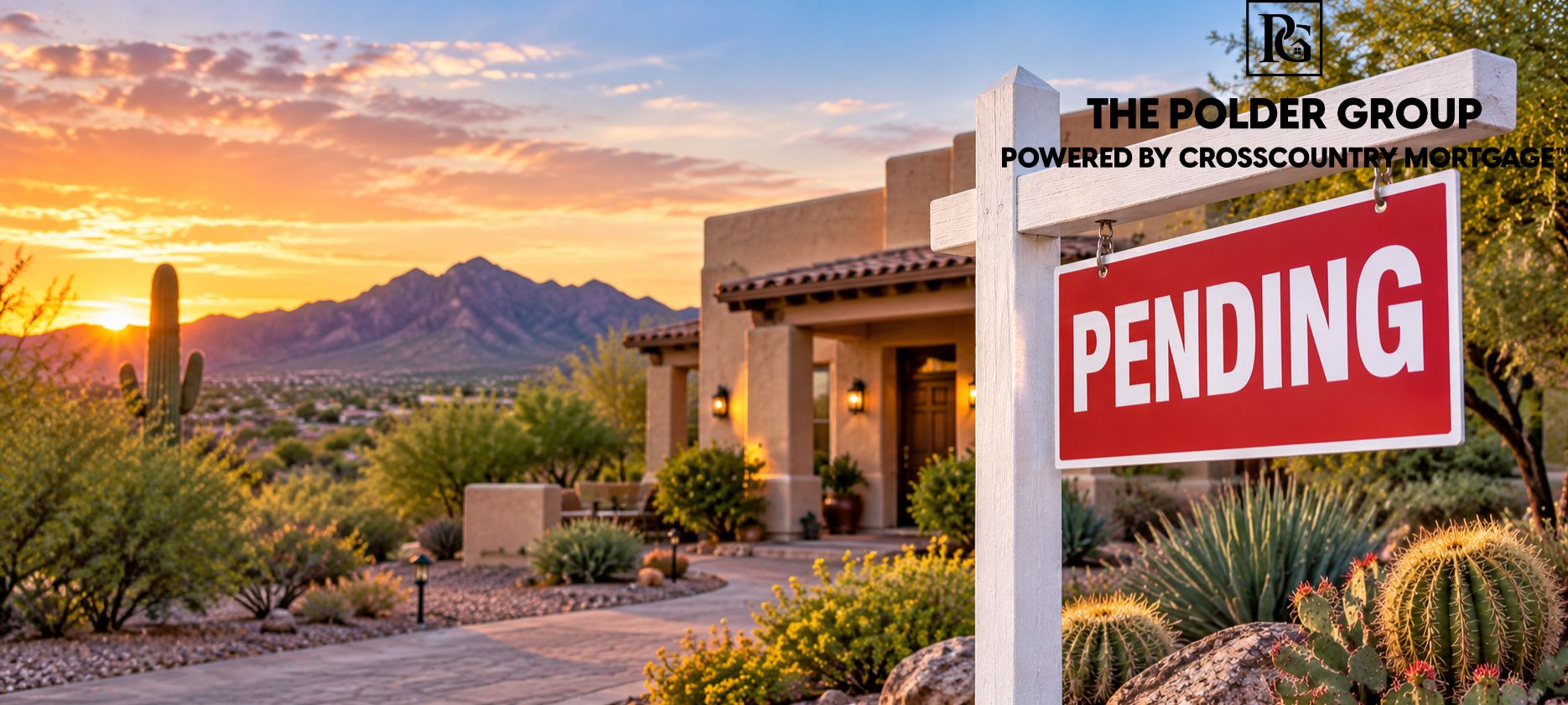
By Derrick Polder • NMLS #207630 • Published: Updated: July 13, 2026 • September 14, 2026
If you’re shopping for a home, you may find a property you love only to see its listing suddenly change from “active” to “pending.” So, what does pending mean in real estate, and does it mean another buyer has officially purchased the home?
Not quite.
A pending home generally has an accepted offer and is moving toward closing, but the transaction isn’t complete until the sale closes and ownership transfers. For buyers—especially those navigating the Tucson and Southern Arizona housing market—understanding the difference between active, contingent, under contract, and pending can make listing statuses much easier to interpret.
Here’s what you need to know.
In real estate, pending generally means a seller has accepted a buyer’s offer and the transaction has progressed toward closing. Depending on the local multiple listing service (MLS) and circumstances of the transaction, many or all major contingencies may have already been addressed.
However, pending does not mean the buyer owns the property yet.
Several important steps may still need to happen before ownership transfers. Depending on the transaction, those steps can include final loan approval, title work, insurance requirements, final documentation, a final walkthrough, and signing closing documents.
A simple way to think about it is:
Pending = an accepted offer and a transaction that is well underway, but not yet closed.
If you’re preparing to purchase a home, understanding the complete mortgage loan process can help you see where the pending stage fits into the bigger picture.
Once a home is pending, the buyer, seller, real estate professionals, lender, title company, and other parties involved continue working toward the scheduled closing.
Exactly what remains will depend on the purchase contract and the transaction.
Common steps can include:
For a financed purchase, the lender may still need updated documentation from the borrower before final approval.
That’s one reason buyers should continue to be careful with their finances even after their offer is accepted. Avoid making significant financial changes without first discussing them with your mortgage professional. The Polder Group’s mortgage dos and don’ts provide additional guidance for protecting your financing during the homebuying process.
One of the most common questions buyers ask is whether pending and contingent mean the same thing.
Usually, they indicate different stages of an accepted offer, although the exact terminology can vary by MLS and market.
A contingent property generally has an accepted offer, but the purchase contract still depends on one or more conditions being satisfied.
Depending on the contract, contingencies might involve matters such as:
If a contractual contingency cannot be satisfied or appropriately resolved, the transaction may not proceed to closing, subject to the terms of the purchase agreement.
A pending property is generally further along in the transaction.
In many situations, major contingencies have been satisfied, waived, or otherwise addressed and the parties are preparing for closing. However, practices and listing-status definitions can vary, so buyers should ask their real estate agent what a particular status means for a specific property.
The key difference: contingent typically signals that important contractual conditions remain, while pending usually indicates the transaction has advanced closer to closing.
Potentially.
A pending status does not necessarily prevent a seller from considering a backup offer, although whether one can be submitted or accepted depends on the seller, listing instructions, local practices, and the existing purchase contract.
A backup offer essentially puts another buyer in position if the current transaction does not close.
For example, a seller might be interested in a backup offer when the original buyer is still working through financing or another unresolved issue. Some sellers may also continue allowing showings while a property is under contract.
If you find a pending Tucson-area home that strongly fits your needs, talk with your real estate agent before assuming it is completely unavailable.
Some real estate contracts include what is commonly called a kick-out clause.
The specifics vary by contract, but these provisions may allow a seller to continue considering other offers when the existing buyer’s contract is subject to a particular contingency, such as selling another property.
If another acceptable offer arrives, the original buyer may have a specified period to satisfy or remove the applicable contingency, depending on the contract.
Because these provisions are contractual and can have significant consequences, buyers and sellers should rely on their qualified real estate professional—and legal counsel when appropriate—to understand their rights and obligations.
Yes. A pending transaction is further along, but it is not the same thing as a completed sale.
Potential issues can still arise before closing, including:
For buyers using mortgage financing, maintaining financial stability during this period can be particularly important. New debt, changes in employment, large purchases, or unexplained changes to funds needed for closing may require additional lender review.
If you’re preparing for a purchase, The Polder Group’s loan checklist can help you organize documents that may be needed throughout the mortgage process.
When a pending transaction does not close, several outcomes are possible.
The seller could return the property to active status, change its listing status, or move forward with a backup offer if one exists. What happens with deposits such as earnest money depends on the purchase agreement, applicable contingencies, circumstances surrounding the cancellation, and applicable law.
For prospective buyers who missed out on a property, this is why it can make sense to continue monitoring a pending listing.
At the same time, buyers generally shouldn’t stop their entire home search while waiting to see whether another transaction closes. Your real estate agent can help you determine whether pursuing a backup position makes sense while continuing to explore other homes.
If a home you’re interested in changes to pending, you still have several practical options.
You can ask your real estate agent whether the seller is considering backup offers, monitor the listing for a status change, and continue searching for other suitable properties.
It can also be a good time to make sure your financing is prepared for the next opportunity.
If you’re still determining your homebuying budget, The Polder Group’s mortgage calculators can help you explore different loan and payment scenarios. Calculator results are estimates and are not a loan approval or commitment to lend.
Buyers can also review available mortgage loan programs to learn about financing options that may fit different financial situations and property types, subject to eligibility and loan requirements.
For sellers, reaching pending status is an important milestone—but the transaction still needs to reach closing.
Sellers may need to respond to outstanding requests, coordinate access to the property, address negotiated items, provide documentation, and prepare for closing.
Until the transaction is complete, staying responsive to your real estate professional and other parties involved can help keep outstanding items moving.
Real estate terminology can vary by MLS and location, but here is a useful general framework:
| Listing Status | What It Generally Means |
|---|---|
| Active | The property is currently marketed for sale and may be accepting offers. |
| Under Contract | The seller has accepted an offer, but the transaction has not closed. |
| Contingent | An offer has been accepted, but one or more contractual conditions remain. |
| Pending | The accepted transaction has generally progressed further toward closing. |
| Closed | The transaction has been completed and ownership has transferred. |
Because listing rules and terminology vary, your real estate agent is the best resource for determining exactly what a particular MLS status means for a home you’re considering.
For Tucson and Southern Arizona homebuyers, a listing changing to pending is useful information—but it shouldn’t necessarily determine your entire home search strategy.
Conditions can differ significantly across Tucson, Oro Valley, Marana, Vail, Sahuarita, Green Valley, and other Southern Arizona communities. Property type, price range, inventory, seller preferences, and financing can all affect how quickly a home moves from active to under contract and eventually to closing.
Financing considerations may also vary depending on the property. A buyer purchasing a single-family residence, condominium, manufactured home, or higher-priced property could encounter different lending requirements.
That’s why it can help to understand your financing options before you find the property you want.
The Polder Group works with homebuyers throughout our Tucson and Southern Arizona service areas, helping borrowers understand the mortgage side of the transaction and prepare for the steps between an accepted offer and closing.
So, what does pending mean in real estate? It generally means a seller has accepted an offer and the transaction has advanced toward closing. It’s a strong sign that the property may soon be sold, but the transaction is not final until closing is completed.
If you’re the buyer under contract, pending status means there may still be important financing and closing steps ahead. If you’re interested in someone else’s pending property, a backup offer may sometimes be possible.
And if you’re still looking for the right Tucson-area home, being financially prepared can help you act when the right opportunity appears.
When you’re ready to explore buying a home in Tucson or Southern Arizona, contact The Polder Group’s Tucson mortgage team. We can help you understand your mortgage options, prepare for the financing process, and determine potential next steps based on your individual situation.
Pending generally means the seller has accepted an offer and the transaction is progressing toward closing. The sale is not final, however, until the closing process is completed and ownership transfers.
No. A pending house has an accepted contract, but the transaction has not yet closed. Financing, title, documentation, or other closing requirements may still need to be completed.
A contingent listing generally has an accepted offer with one or more contractual conditions still outstanding. Pending usually indicates that the transaction has progressed further toward closing. Exact definitions can vary by local MLS.
Possibly. Some sellers may consider backup offers on pending properties. Ask your real estate agent whether the seller is accepting backup offers and what the listing status means for that specific Tucson-area property.
Yes. A pending transaction can still fail to close because of financing, appraisal, title, property, contractual, or other issues. Pending indicates progress toward closing, not a guaranteed sale.
There is no universal pending period. The timeline depends on the purchase contract, financing, property, title work, closing schedule, and whether outstanding issues need to be resolved.
Yes. If the existing transaction is canceled or otherwise does not close, a seller may return the property to active status or pursue another offer, depending on the circumstances.
Continue working closely with your lender and real estate professional, respond promptly to documentation requests, avoid significant financial changes without discussing them with your lender, and prepare for the remaining steps leading to closing.
This article is for educational purposes only and does not constitute financial or mortgage advice. Loan programs, rates, and guidelines may change at any time. All loans are subject to credit approval and underwriting. For guidance tailored to your situation, consult a licensed mortgage professional.
By Derrick Polder • NMLS #207630 • Published: September 10, 2026 • Updated: September 16, 2026
Read article
By Derrick Polder • NMLS #207630 • Published: August 31, 2026 • Updated: September 09, 2026
Read article
By Derrick Polder • NMLS #207630 • Published: August 20, 2026 • Updated: August 31, 2026
Read article
By Derrick Polder • NMLS #207630 • Published: August 3, 2026 • Updated: August 31, 2026
Read article






Different levels of commitment - all start with a conversation.

A quick first step to review loan options and next steps with a local expert.
Ready to move forward now? Secure application - Credit review required
Not ready for a form? Ask a question and a local expert will follow up.