



2026 Conforming Loan Limits: What Tucson Homebuyers Need to Know
Sep 10, 2026By Derrick Polder • NMLS #207630 • Published: September 10, 2026 • Updated: September 16, 2026
Read article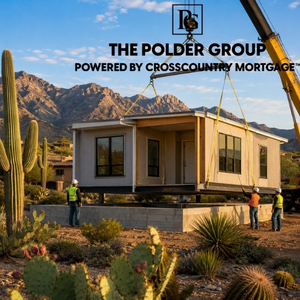
By Derrick Polder • NMLS #207630 • Published: July 2, 2026 • Updated: August 10, 2026
If you're exploring alternatives to traditional new construction, you may be wondering: what is a modular home?
A modular home is built in factory-produced sections, or "modules," that are transported to a property and assembled on a permanent foundation. Unlike manufactured homes, modular homes are generally constructed to the state and local building codes that apply where the home will ultimately be installed.
For homebuyers in Tucson and throughout Southern Arizona, modular construction can offer another path to building or purchasing a home. But the house itself is only part of the equation. Your land, site preparation, utilities, zoning, permits, transportation requirements, builder, and financing can all influence whether a modular home makes sense.
Here's what prospective buyers should understand before moving forward.
A modular home is a type of prefabricated home. Instead of constructing nearly the entire house outdoors at the final building site, a manufacturer builds large sections of the home in a controlled factory environment.
Those sections may already contain major components such as:
The completed modules are transported to the property, where a crane typically places them onto a permanent foundation. Contractors then connect the sections, utilities, roofing, mechanical systems, and remaining finishes.
Once completed, a modular home can look much like a conventional site-built house.
The important distinction isn't necessarily what the finished home looks like. It's how and under which construction standards it was built.
One of modular construction's defining features is that work can occur in two places at approximately the same time.
While the manufacturer constructs the modules in a factory, contractors can prepare the building site and foundation.
A typical project follows these stages:
Because factory construction and site preparation may happen concurrently, modular construction can sometimes shorten the building schedule. Actual completion times, however, vary considerably based on permitting, manufacturer capacity, site conditions, utility availability, transportation, inspections, weather, and contractor schedules.
If you're planning new construction, understanding the overall mortgage loan process early can help you identify financing questions before committing to a builder or property.
"Modular" and "manufactured" are sometimes used interchangeably, but they describe different types of construction.
A modular home is generally:
Manufactured homes are constructed under the federal HUD Manufactured Home Construction and Safety Standards rather than the same state/local building-code framework used for modular homes.
They are built on a permanent chassis, and their financing and property-classification requirements can differ from those of modular homes.
Buyers specifically considering this type of property can learn more about manufactured home financing options.
Tiny homes create another category altogether. Depending on how they're constructed and installed, a tiny home could be built on a foundation or wheels, and local rules can vary significantly.
That's why the label attached to a property isn't enough. Before discussing financing, it's important to establish what the home legally and structurally is.
Yes, although the amount of customization depends heavily on the manufacturer.
Many modular builders offer multiple floor plans with choices involving:
Some manufacturers allow significant structural customization, while others focus on standardized plans with a menu of options.
There are also practical transportation constraints. Each module must travel from the factory to the property, so unusually wide sections, complex rooflines, large unsupported spans, and highly irregular designs may require additional engineering or on-site construction.
If customization is important to you, determine what is included in the builder's base price—and what counts as an upgrade—before comparing proposals.
Modular construction can offer meaningful advantages, although no benefit applies equally to every project.
Building much of the structure indoors helps protect materials from prolonged exposure to rain, wind, and other weather during factory assembly.
Factory construction and site preparation can occur simultaneously, potentially reducing some of the sequential delays associated with traditional construction.
Factories can use standardized equipment, repeatable processes, and quality-control procedures throughout production.
Today's modular homes can range from relatively simple single-story houses to larger homes with multiple bedrooms, upgraded finishes, garages, and other features.
Depending on the manufacturer and selected specifications, buyers may have access to upgraded insulation, high-performance windows, efficient HVAC systems, and air-sealing packages.
Remember that modular construction does not automatically mean inexpensive, fast, or energy efficient. The builder, specifications, property, and project scope ultimately determine the result.
One of the biggest mistakes buyers can make is focusing solely on a manufacturer's advertised home price.
The factory-built structure may represent only one portion of the total project.
Additional expenses may include:
Instead of asking only, "How much does the modular home cost?" ask:
What is the estimated all-in cost to make this property completed, permitted, financed, and ready for occupancy?
A detailed line-item proposal can make competing bids much easier to evaluate.
Buyers can also use our mortgage calculators to explore different home-price and payment scenarios. Calculator results are estimates and should not be considered a loan approval or final loan terms.
Building a modular home in Southern Arizona creates some distinctly local considerations.
Land that appears affordable at first glance may require additional investigation before you know whether it's suitable for your project. Depending on the parcel and jurisdiction, buyers may need to evaluate zoning, legal access, utility availability, septic requirements, water availability, flood considerations, grading, soils, setbacks, and other site-specific issues.
Transportation access deserves attention as well. A modular house doesn't arrive as a box on a small delivery truck. Large modules need to reach the building site, and the installation may require enough room for heavy equipment and a crane.
That makes characteristics such as narrow roads, gates, overhead utilities, steep grades, tight turns, washes, and limited staging space potentially important.
Rules can also differ depending on whether the property is in the City of Tucson, elsewhere in Pima County, or another Southern Arizona community. HOA or deed restrictions may add another layer of requirements.
Before purchasing land specifically for modular construction, consider confirming with the appropriate planning/building authority and your builder that the proposed home can legally and practically be installed on that parcel.
The Polder Group serves borrowers throughout Tucson and Southern Arizona, so our team can also help you identify mortgage questions to investigate while you're evaluating a property and project.
Modular homes aren't the best solution for every buyer or every parcel.
Consider these potential challenges.
A relatively attractive factory price can become less compelling after foundation, excavation, utilities, transportation, permits, and finishing work are included.
A remote or difficult-to-access parcel may increase transportation and installation complexity.
Highly customized architecture can reduce the efficiency gained from standardized factory production.
Zoning, building requirements, HOA restrictions, and other regulations should be researched before ordering a home.
The manufacturer may build the modules while a separate general contractor handles the foundation and site completion. Understanding who is responsible for each portion of the project is essential.
The manufacturer and local contractor can both affect the finished home.
Before signing a contract, consider asking for:
Pay particular attention to exclusions.
For example, a proposal may include the house and installation but exclude excavation, utility trenching, permits, septic, driveways, landscaping, or other significant expenses.
Written documentation makes it easier to understand what you're actually purchasing.
Potentially, yes. Because qualifying modular homes are permanently installed and generally treated similarly to site-built real estate, several types of mortgage financing may be available depending on the borrower, property, project, occupancy, lender, and applicable program requirements.
Potential options can include conventional and certain government-backed programs. Construction or construction-to-permanent financing may also be relevant when you're building rather than purchasing a completed property.
The correct loan structure depends on the specific project.
For example, financing considerations may change based on whether:
You can review mortgage loan programs available through The Polder Group to learn about potential options.
Depending on eligibility and property requirements, buyers may also want to ask about FHA loan options, VA home loans, or USDA loan options.
Program availability doesn't mean every modular construction project will qualify. Loan guidelines, builder requirements, appraisal requirements, property standards, borrower qualifications, and other conditions apply.
Before choosing a floor plan or placing a deposit, work through the project from the ground up.
About the land
About the builder
About financing
Starting the mortgage conversation early can be useful because the financing structure may affect how the project needs to be organized.
A modular home may be worth exploring if you like the efficiencies of factory construction, have a suitable building site, and can find a manufacturer and contractor that fit your goals.
It may be less attractive if your parcel has difficult access, extensive site-work requirements, restrictive community rules, or your design requires extensive custom construction.
The key is to compare the entire project, not simply the price of the house coming from the factory.
Land + home + foundation + site preparation + utilities + delivery + installation + permits + financing costs = a much more useful picture of the project's potential cost.
If you're considering a modular home in Tucson or elsewhere in Southern Arizona, contact The Polder Group before you get too far into the process. We can help you explore potential mortgage options, understand financing considerations, and identify questions worth answering before you commit to a property or builder.
A modular home is a house constructed in factory-built sections that are transported to a building site and assembled on a permanent foundation. Modular homes generally must comply with the applicable state and local building codes for the location where they're installed.
No. Modular and manufactured homes use different construction standards. Modular homes generally follow applicable state and local building codes, while manufactured homes are constructed to federal HUD standards on a permanent chassis. These differences can affect property classification, appraisal, zoning, and financing.
Potentially. Completed qualifying modular homes may be eligible for mortgage financing similar to site-built properties, while homes under construction may require a different financing structure. Eligibility depends on the borrower, property, project, loan program, and lender requirements.
Certain modular homes may potentially qualify for FHA, VA, USDA, or conventional financing when borrower, property, occupancy, appraisal, construction, and program requirements are satisfied. Availability should be confirmed for the specific project before making financial commitments.
Not necessarily. Zoning, building codes, setbacks, utilities, legal access, HOA restrictions, site conditions, and other requirements can affect whether a particular modular home can be installed on a parcel. Check with the applicable local authorities and qualified professionals before purchasing land specifically for a modular project.
They can be, but modular construction isn't automatically less expensive. Factory efficiencies may reduce certain costs, while land, foundations, utilities, grading, transportation, crane work, permits, and customization can substantially affect the final project price.
Timelines vary. Factory construction can occur while the building site is being prepared, which may shorten some projects compared with fully site-built construction. Permitting, inspections, site conditions, utility work, manufacturing schedules, transportation, and contractor availability can still affect completion time.
A modular home's value depends on many of the same factors that influence other residential real estate, including location, land, condition, size, features, comparable sales, and market conditions. Buyers shouldn't assume a particular appreciation or resale outcome simply because a home is modular.
This article is for educational purposes only and does not constitute financial or mortgage advice. Loan programs, rates, and guidelines may change at any time. All loans are subject to credit approval and underwriting. For guidance tailored to your situation, consult a licensed mortgage professional.
By Derrick Polder • NMLS #207630 • Published: September 10, 2026 • Updated: September 16, 2026
Read article
By Derrick Polder • NMLS #207630 • Published: August 31, 2026 • Updated: September 09, 2026
Read article
By Derrick Polder • NMLS #207630 • Published: August 20, 2026 • Updated: August 31, 2026
Read article
By Derrick Polder • NMLS #207630 • Published: August 3, 2026 • Updated: August 31, 2026
Read article






Different levels of commitment - all start with a conversation.

A quick first step to review loan options and next steps with a local expert.
Ready to move forward now? Secure application - Credit review required
Not ready for a form? Ask a question and a local expert will follow up.