



How to Sell Your House in Tucson: A Step-by-Step Guide for Homeowners
Aug 20, 2026By Derrick Polder • NMLS #207630 • Published: August 20, 2026 • Updated: August 31, 2026
Read article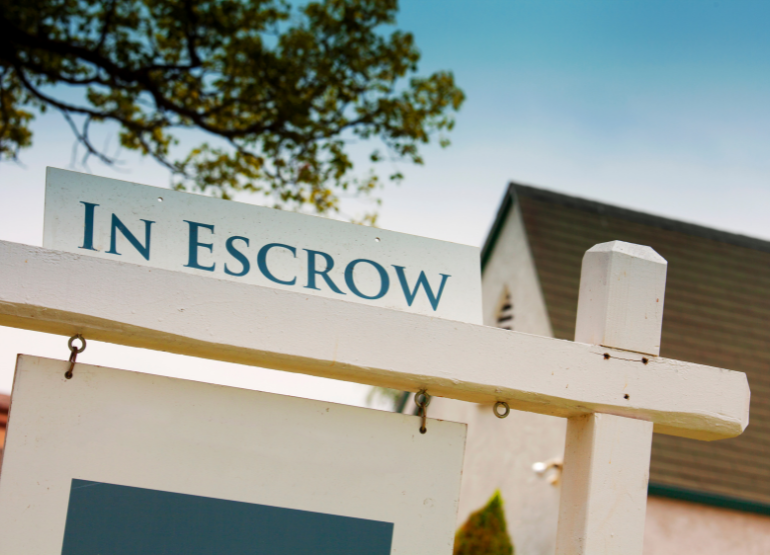
Demystifying Escrow: Your Key to a Secure and Confident Real Estate Transaction
If you're buying or selling a home, you'll likely hear the term escrow several times throughout the transaction. While it may sound complicated, escrow plays an important role in protecting both buyers and sellers during the home purchase process.
Understanding how escrow works can help you feel more confident as you move through your mortgage journey. Here's what you need to know.
Escrow is a financial arrangement in which a neutral third party holds money, documents, or other assets on behalf of the buyer and seller until specific conditions of a real estate transaction have been met.
The purpose of escrow is to provide protection for everyone involved. It helps ensure that:
By serving as a trusted intermediary, escrow helps reduce risk and creates a smoother transaction for all parties.
There are generally two types of escrow accounts homeowners encounter:
Let's take a closer look at each.
Once a seller accepts an offer, an escrow account is typically opened. The buyer then deposits earnest money, sometimes called a good faith deposit, to demonstrate their commitment to purchasing the home.
In most cases, earnest money is due within a few days of the contract being accepted.
Earnest money deposits commonly range from 1% to 2% of the home's purchase price, although the amount can vary based on local market conditions.
In highly competitive housing markets, buyers may choose to offer a larger earnest money deposit to strengthen their offer.
The funds are usually held by a title company, escrow company, attorney, or other approved third party until the transaction is completed.
The outcome depends on the circumstances surrounding the transaction.
If the sale closes successfully:
The earnest money is generally applied toward the buyer's down payment or closing costs.
If the buyer cancels the contract without a qualifying contingency:
The seller may be entitled to keep some or all of the earnest money.
If the contract is terminated due to a valid contingency:
For example, issues discovered during a home inspection or financing contingency, the buyer may be eligible to receive their earnest money back.
For new construction homes, escrow funds may remain in place until all construction requirements and final approvals have been completed.
After you purchase a home, a different type of escrow account may be established as part of your mortgage.
This account is used to collect funds for property-related expenses such as:
Many mortgage programs require an escrow account, especially when the borrower makes a smaller down payment.
To learn more about available financing options, explore our Loan Programs page:
https://www.thepoldergroup.com/mortgage-loan-programs-tucson
When your mortgage is set up, your lender estimates your annual property taxes and insurance costs.
These expenses are divided into monthly installments and added to your regular mortgage payment. Each month, a portion of your payment is deposited into your escrow account.
When tax bills or insurance premiums become due, the mortgage servicer pays them directly from the escrow account on your behalf.
Many lenders also require an initial escrow deposit at closing, along with a small reserve cushion, to help ensure sufficient funds are available throughout the year.
This system provides convenience and helps homeowners avoid large lump-sum tax and insurance payments.
Homeowners insurance protects your home and personal property against covered losses, damage, and liability claims.
Because maintaining insurance coverage is important for both homeowners and lenders, insurance premiums are often included in your monthly escrow payment.
Your lender will use escrow funds to pay the insurance premium when it comes due, helping ensure continuous coverage for your property.
Mortgage insurance may be required when a borrower makes less than a 20% down payment on a home purchase.
This coverage helps protect the lender in the event of borrower default and may be included as part of the monthly mortgage payment collected through escrow.
If you're exploring low down payment options, visit our FHA Loans, VA Loans, and USDA Loans pages to learn more:
While escrow accounts cover many major housing expenses, they typically do not pay for:
Homeowners should budget separately for these ongoing costs.
Not always. Some lenders may allow borrowers to waive escrow requirements under certain circumstances, particularly when making a larger down payment. However, many loan programs require escrow accounts.
Yes. Property taxes and homeowners insurance premiums can increase or decrease over time, which may cause your monthly escrow payment to change.
Federal regulations require mortgage servicers to review escrow accounts annually. If there is a significant surplus, you may receive a refund or credit depending on the amount.
An escrow shortage occurs when there are not enough funds in the account to cover upcoming tax or insurance payments. In this case, your lender may adjust your monthly payment to make up the difference.
Escrow is designed to protect both buyers and sellers while helping ensure a smooth real estate transaction. Whether you're purchasing your first home, refinancing, or exploring loan options, understanding escrow can help you feel more confident throughout the process.
At The Polder Group at CrossCountry Mortgage, we're committed to helping homebuyers throughout Tucson and Southern Arizona navigate every step of the mortgage process. If you have questions about escrow, down payments, pre-approvals, or financing options, we're here to help.
Contact our team today to discuss your home financing goals and get personalized mortgage guidance.
https://www.thepoldergroup.com/contact-tucson-mortgage-team
This article is for educational purposes only and does not constitute financial or mortgage advice. Loan programs, rates, and guidelines may change at any time. All loans are subject to credit approval and underwriting. For guidance tailored to your situation, consult a licensed mortgage professional.
By Derrick Polder • NMLS #207630 • Published: August 20, 2026 • Updated: August 31, 2026
Read article
By Derrick Polder • NMLS #207630 • Published: August 3, 2026 • Updated: August 31, 2026
Read article
By Derrick Polder • NMLS #207630 • Published: July 13, 2026 • Updated: July 22, 2026
Read article
By Derrick Polder • NMLS #207630 • Published: July 13, 2026 • Updated: July 22, 2026
Read article






Different levels of commitment - all start with a conversation.

A quick first step to review loan options and next steps with a local expert.
Ready to move forward now? Secure application - Credit review required
Not ready for a form? Ask a question and a local expert will follow up.