



How to Sell Your House in Tucson: A Step-by-Step Guide for Homeowners
Aug 20, 2026By Derrick Polder • NMLS #207630 • Published: August 20, 2026 • Updated: August 31, 2026
Read article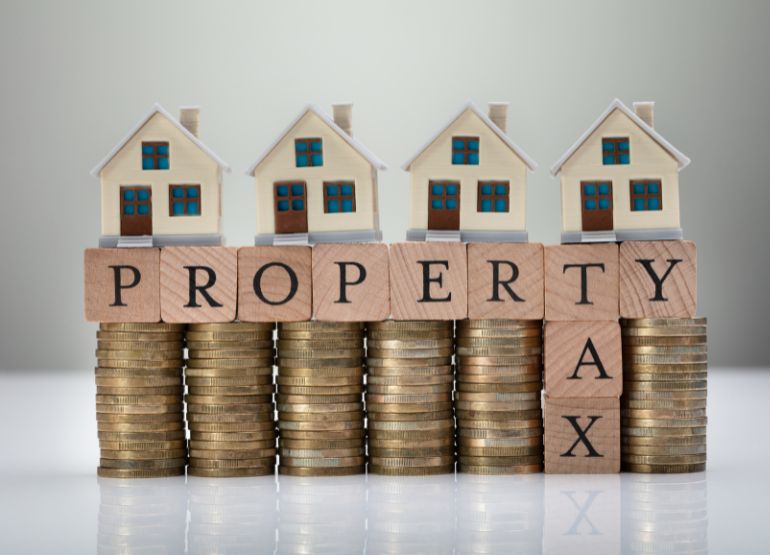
Transforming Property Taxes into Community Investments
Owning a home comes with many financial responsibilities, and property taxes are one of the most significant ongoing expenses. While paying property taxes may not be your favorite part of homeownership, these funds play an essential role in supporting the community you call home.
From maintaining local schools to funding emergency services and improving neighborhood infrastructure, property taxes help create safer, stronger, and more desirable places to live. Understanding where your tax dollars go can help you appreciate how they contribute to your property's long-term value and your family's quality of life.
Property taxes are collected by local governments in every state and the District of Columbia. These funds provide critical revenue for services that residents rely on every day.
One of the largest uses of property tax revenue is public education. School districts receive funding from both state and local governments, with local property taxes serving as a primary source of support.
Communities with strong property tax revenue often have additional resources that may be used for:
Strong schools not only benefit students but can also contribute to maintaining healthy property values throughout the community.
Property taxes also help fund essential public safety services, including:
Reliable funding allows these departments to maintain equipment, train personnel, and respond quickly when emergencies occur, helping protect residents and their homes.
Many of the amenities that make a neighborhood attractive are supported by property taxes, including:
These shared spaces improve quality of life while making neighborhoods more inviting for current and future homeowners.
Property taxes also help maintain and improve local infrastructure, such as:
Well-maintained infrastructure supports safer travel, easier commutes, and can enhance neighborhood appeal, all of which may positively influence home values over time.
Although property taxes are an important investment in your community, there are ways homeowners may be able to reduce their financial burden.
Depending on your individual tax situation, you may be eligible to deduct certain property taxes if you itemize deductions on your federal tax return. Because tax laws can change, it's always best to consult a qualified tax professional for personalized advice.
If you believe your home's assessed value is higher than its current market value, you may also have the option to request a property tax reassessment through your local taxing authority. A successful appeal could lower your property's assessed value and potentially reduce future property tax bills.
The services funded through property taxes help strengthen communities over the long term. Well-maintained neighborhoods, quality schools, reliable emergency services, and improved infrastructure often contribute to stronger property values.
As your home's value grows and you continue paying down your mortgage, you build equity. Depending on your financial goals and eligibility, that equity may provide opportunities to:
If you're considering refinancing, learn more about our Refinancing Options at https://www.thepoldergroup.com/mortgage-refinance-tucson-az or explore Cash-Out Refinance solutions at https://www.thepoldergroup.com/cash-out.
In many cases, yes. If your mortgage includes an escrow account, your lender collects a portion of your annual property taxes with your monthly mortgage payment and pays the taxes when they are due.
Yes. Property taxes may change based on reassessments of your home's value, changes in local tax rates, or voter-approved community improvements.
Property taxes affect your overall monthly housing costs and should be considered when determining your homebuying budget. If you're planning to purchase a home, our Mortgage Calculators can help estimate your monthly payment: https://www.thepoldergroup.com/calculators.
Property taxes do much more than fund local government—they help create thriving communities where families can live, work, and grow. From quality schools and safer neighborhoods to improved parks and infrastructure, your tax dollars support investments that benefit both your community and your home's long-term value.
If you're buying a home, refinancing your current mortgage, or exploring ways to use your home's equity, The Polder Group at CrossCountry Mortgage is here to help. Our experienced mortgage professionals proudly serve Tucson and Southern Arizona and are ready to answer your questions, discuss your financing options, and help you make informed decisions based on your goals.
Contact The Polder Group today to learn more about home financing, refinancing, or accessing your home's equity.
This article is for educational purposes only and does not constitute financial or mortgage advice. Loan programs, rates, and guidelines may change at any time. All loans are subject to credit approval and underwriting. For guidance tailored to your situation, consult a licensed mortgage professional.
By Derrick Polder • NMLS #207630 • Published: August 20, 2026 • Updated: August 31, 2026
Read article
By Derrick Polder • NMLS #207630 • Published: August 3, 2026 • Updated: August 31, 2026
Read article
By Derrick Polder • NMLS #207630 • Published: July 13, 2026 • Updated: July 22, 2026
Read article
By Derrick Polder • NMLS #207630 • Published: July 13, 2026 • Updated: July 22, 2026
Read article






Different levels of commitment - all start with a conversation.

A quick first step to review loan options and next steps with a local expert.
Ready to move forward now? Secure application - Credit review required
Not ready for a form? Ask a question and a local expert will follow up.